
Table of Contents
As an Amazon Associate, we earn from qualifying purchases. This means we may receive a small commission at no extra cost to you when you buy through links on this page.
Introduction: Why a Waterproof Tent is Crucial in the UK
The UK weather is notoriously unpredictable. Sunshine can quickly turn to torrential rain, even during the summer months. A reliable, waterproof tent isn’t just a ‘nice to have’ – it’s essential for a comfortable and enjoyable camping experience. Imagine waking up soaked through because of a leaky tent; it’s a miserable experience nobody wants. Investing in a quality waterproof tent protects you from the elements, ensures a good night’s sleep, and safeguards your gear. In 2026, with continued advancements in materials and design, choosing the right tent is easier than ever, but requires understanding key features and specifications.
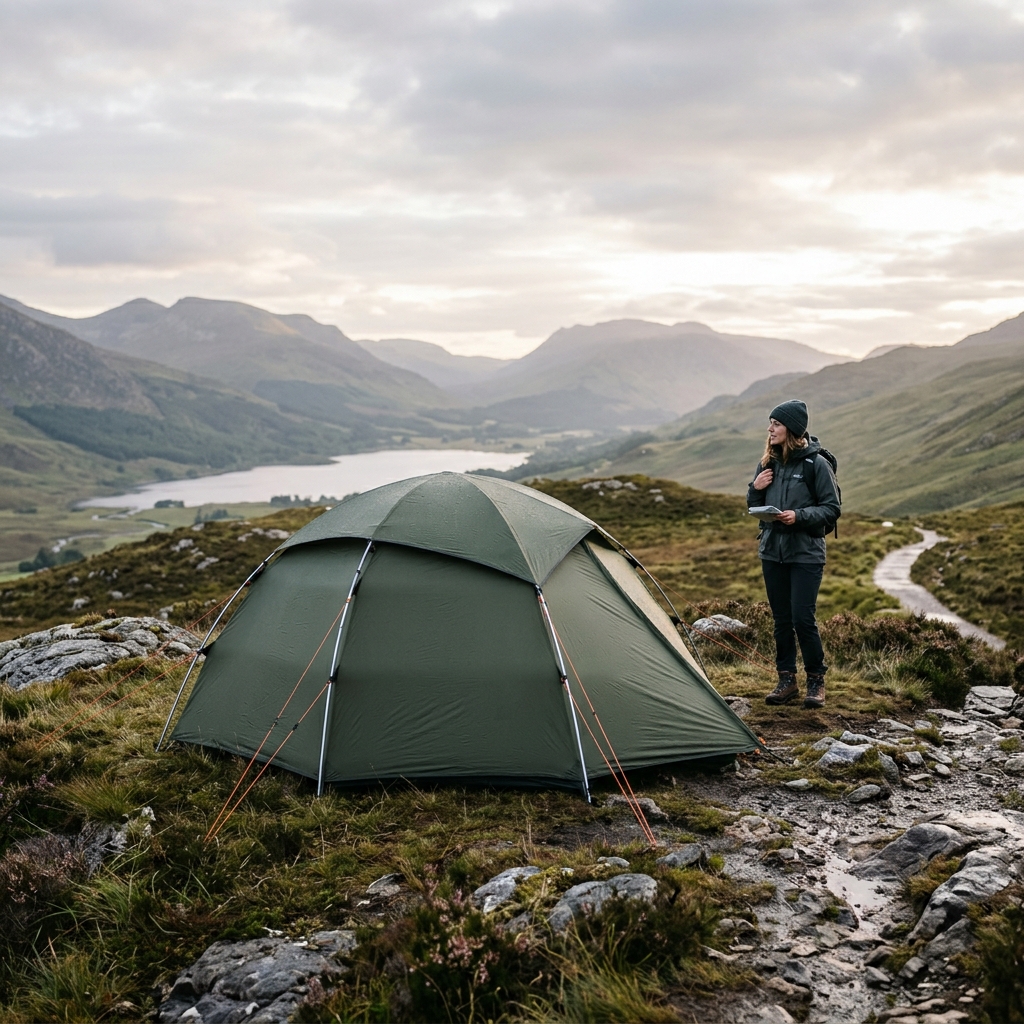
Understanding Waterproof Ratings: Hydrostatic Head Explained
The waterproof rating of a tent is measured in millimeters (mm) and referred to as its ‘hydrostatic head’. This indicates how much water pressure the fabric can withstand before leaking. Here’s a breakdown:
- 1500mm – 3000mm: Suitable for light rain and occasional showers. Good for summer camping in relatively dry conditions.
- 3000mm – 5000mm: Considered good waterproof protection for general UK camping. Can handle moderate rainfall.
- 5000mm+: Excellent waterproof protection. Ideal for prolonged heavy rain, exposed locations, and all-season camping.
It’s crucial to understand that different parts of the tent have different ratings. The flysheet (outer layer) needs the highest rating, followed by the floor, as it’s in direct contact with the ground. The inner tent fabric generally doesn’t need a high waterproof rating, as it’s protected by the flysheet. Seam sealing is equally important. Water can easily penetrate through stitched seams, so ensure your tent has fully taped or sealed seams. Modern tents utilize heat-taping for robust protection.
Tent Types: Choosing the Right Style for Your Needs
Choosing the right tent type depends on your camping style, group size, and desired level of convenience.
| Tent Type | Pros | Cons | Suitability |
|---|---|---|---|
| Dome Tent | Relatively easy to pitch, good stability in wind, affordable. | Can be cramped, limited headroom, less porch space. | Solo campers, couples, festival camping. |
| Tunnel Tent | Excellent space-to-weight ratio, good headroom, large porch areas. | Requires good guying, can be less stable in strong winds if not properly pitched. | Families, groups, longer camping trips. |
| Geodesic Tent | Extremely strong and stable in high winds, excellent weather resistance. | More complex to pitch, heavier, often more expensive. | Mountaineering, expeditions, challenging weather conditions. |
| Pop-up Tent | Extremely quick and easy to pitch. | Bulky to carry, often less waterproof, less durable. | Festival camping, quick overnight stays. |
| Bell Tent | Spacious, comfortable, aesthetically pleasing, good ventilation. | Heavy, requires more space, can be more difficult to pitch. | Glamping, family camping, relaxed camping experiences. |
Capacity & Size: How Many People Will Your Tent Accommodate?
Tent capacity is often stated as a ‘person’ rating (e.g., a ‘4-person tent’). However, this is typically a tight fit. For comfortable camping, especially with gear, it’s generally recommended to add one person to the rating. So, a 4-person tent is best suited for 3 adults. Consider the amount of gear you’ll be bringing. Do you need space for backpacks, sleeping bags, cooking equipment, and other camping essentials? Look for tents with generous porch space for storing muddy boots and outdoor gear.
Key Features to Look For in a Waterproof Tent
- Flysheet Material: Polyester is common, durable, and relatively affordable. Nylon is lighter and more compact, but often more expensive. Consider the denier (D) – a higher number indicates a more robust fabric.
- Groundsheet Material & Thickness: A durable, waterproof groundsheet is vital. Look for a thickness of at least 75D polyester.
- Ventilation: Crucial for reducing condensation inside the tent. Look for vents in the flysheet and inner tent.
- Door & Window Designs: Consider the number, size, and placement of doors and windows for easy access and ventilation.
- Porch Space: Provides sheltered storage space and a place to cook or relax out of the rain.
- Cable Entry Points: A convenient feature for powering lights or charging devices.
Best Waterproof Tent Materials in 2026
In 2026, tent fabric technology continues to advance. Polyurethane (PU) coatings remain popular, offering good waterproofness and affordability. However, Silicone coatings are gaining traction due to their superior durability, lighter weight, and improved UV resistance. Eco-friendly materials are also becoming more prevalent, with some manufacturers using recycled polyester and PFC-free durable water repellent (DWR) treatments. Look for tents certified to Oeko-Tex Standard 100 for reduced environmental impact.
Setting Up Your Tent for Maximum Waterproofing
- Choose a suitable pitch: Select a level spot, free from sharp objects.
- Ground preparation: Clear the area of stones, twigs, and other debris.
- Use a footprint: A groundsheet or footprint protects the tent floor from abrasion and adds an extra layer of waterproofing.
- Pitch the inner tent: Ensure it is taut and correctly positioned.
- Attach the flysheet: Ensure it’s properly aligned and covers the inner tent completely.
- Tension the flysheet: Use guying lines to pull the flysheet taut, creating a good pitch angle for water runoff.
- Secure guying lines: Stake down all guying lines securely.
Tent Maintenance & Aftercare: Extending the Life of Your Tent
Proper maintenance is crucial for maintaining your tent’s waterproof properties. After each use, allow the tent to dry completely before storing it. Clean the tent with warm soapy water, removing any dirt or debris. Repair any minor damage (tears, seam sealing) promptly. For older tents, or if the DWR coating is wearing off, consider using a waterproofing spray or renewer specifically designed for tents.
Top Waterproof Tents Available in the UK (2026)
| Tent Model | Price (GBP) | Capacity | Waterproof Rating (Flysheet) | Pros | Cons |
|---|---|---|---|---|---|
| Vango Odyssey Air 500 Tent | £699.99 | 5 | 5000mm | Airbeam technology for easy setup, spacious, good ventilation. | Relatively heavy, expensive. |
| Coleman Redwood 4 Man Tent | £199.99 | 4 | 3000mm | Affordable, easy to pitch, good for occasional camping. | Less durable, limited headroom. |
| Snugpak Softie Expansion 4 Tent | £449.99 | 4 | 5000mm | Robust construction, good weather resistance, versatile. | Can be heavy for backpacking. |
| Mountain Equipment Lunar Duo Tent | £379.99 | 2 | 5000mm | Lightweight, compact, excellent for backpacking. | Limited space, expensive for a 2-person tent. |
| Quechua NH100 2 Person Waterproof Camping Tent | £89.99 | 2 | 2000mm | Very affordable, lightweight, easy to carry. | Waterproof rating may not be sufficient for heavy rain. |
| Robens Pioneer 6 Tent | £849.99 | 6 | 5000mm | Spacious, durable, excellent build quality. | Heavy, expensive. |
| Outwell Nevada MP Tent | £549.99 | 4-6 | 4000mm | Versatile, spacious, good value for money. | Can be bulky to pack. |
| Terra Nova Ultra 2 Tent | £419.99 | 2 | 5000mm | Extremely lightweight, compact, ideal for fastpacking. | Minimalist design, limited storage. |
Frequently Asked Questions (FAQs)
- What does hydrostatic head really tell me? Hydrostatic head indicates the amount of water pressure the fabric can withstand before leaking. A higher number means better waterproofing. Consider the type of camping you’ll be doing – higher ratings are essential for prolonged exposure to heavy rain.
- What causes condensation inside a tent, and how can I prevent it? Condensation occurs when warm, moist air inside the tent comes into contact with the cooler flysheet. Good ventilation is key. Open vents and windows to allow air circulation.
- Can I re-waterproof my tent? Yes, you can. Waterproofing sprays and renewers are available that restore the DWR coating on the flysheet. Follow the manufacturer’s instructions carefully.
- Is it necessary to use a footprint? Yes, a footprint protects the tent floor from abrasion, punctures, and adds an extra layer of waterproofing. It significantly extends the life of your tent.
- What’s the difference between Polyester and Nylon tent fabrics? Polyester is generally more affordable and UV resistant, while Nylon is lighter and more durable. The best choice depends on your budget and priorities.