
Table of Contents
As an Amazon Associate, we earn from qualifying purchases. This means we may receive a small commission at no extra cost to you when you buy through links on this page.
What is a Tent Footprint?
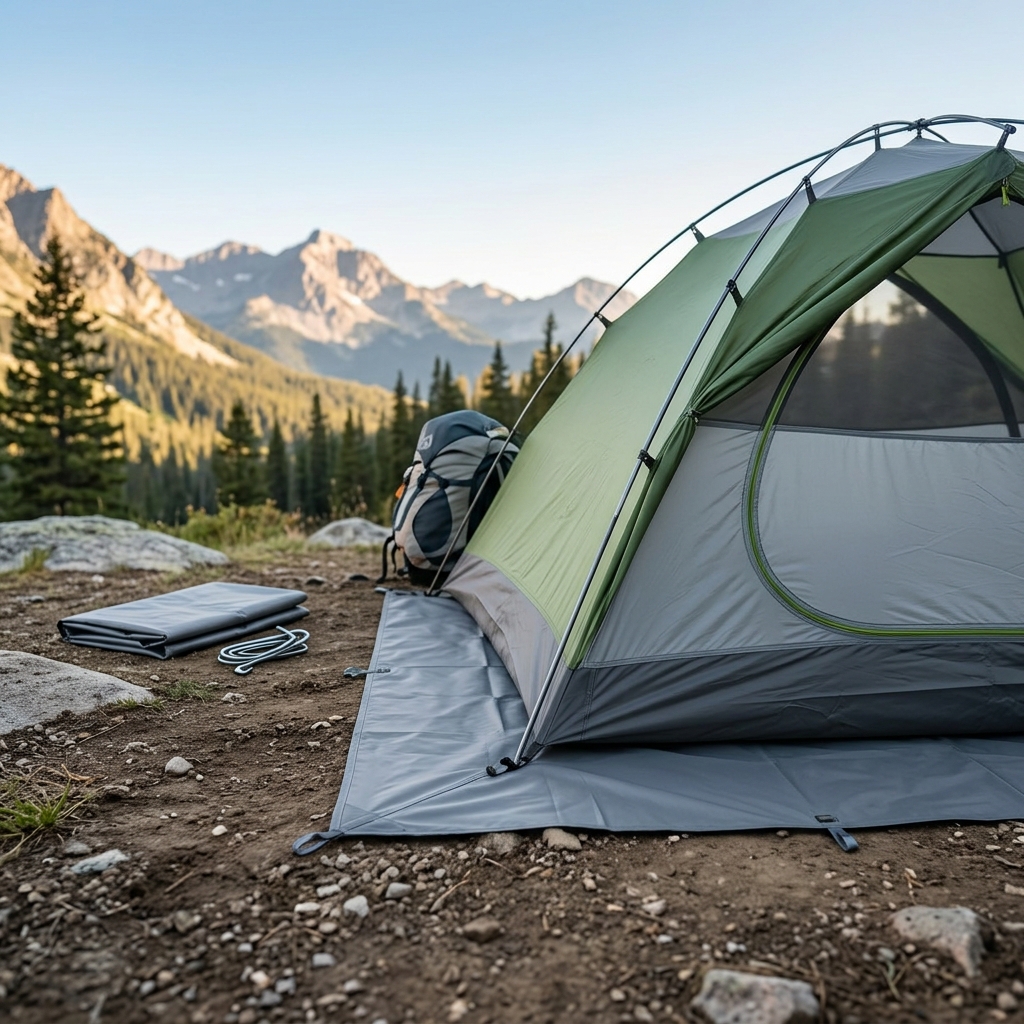
A tent footprint, sometimes called a ground cloth, is a protective layer placed underneath your tent before pitching it. It’s specifically cut to match the dimensions of your tent’s base – meaning it’s not just a rectangular piece of plastic. Footprints are typically made from durable, waterproof materials, and their primary function is to shield the tent floor from abrasion, punctures, and moisture. They aren’t designed to be a standalone shelter; they’re purely for protection. Unlike a groundsheet (explained below), a footprint closely mirrors the tent’s shape, including any porch areas or extensions.
Why Use a Tent Footprint? The Benefits Explained
Investing in a tent footprint offers a surprising number of benefits that can significantly improve your camping experience and extend the life of your tent:
- Protection from Abrasion: Rocky ground, rough grass, and even seemingly smooth soil can cause wear and tear on your tent floor over time. A footprint acts as a barrier, preventing punctures and scuffs.
- Moisture Barrier: While a tent is waterproof, the floor is often the most vulnerable area. A footprint provides an extra layer of protection against ground moisture, preventing water from seeping upwards, especially during prolonged wet weather.
- Enhanced Comfort: A footprint creates a cleaner, drier space inside your tent, improving overall comfort. It also provides a slight cushioning effect.
- Extended Tent Lifespan: By protecting the tent floor from damage, a footprint significantly extends the lifespan of your tent, saving you money in the long run.
- Ground Type Adaptability: Different ground types pose different challenges. A footprint is beneficial on everything from sharp gravel and rocky campsites to damp grass and muddy fields.
Footprint vs. Groundsheet: What’s the Difference?
It’s easy to confuse a tent footprint with a groundsheet, but they serve different purposes. A groundsheet is typically a rectangular piece of heavy-duty plastic or tarpaulin used as a general protective layer. You can cut it to size, but it won’t match the exact shape of your tent. A tent footprint, as mentioned earlier, is precisely cut to fit your specific tent model.
When to use a Footprint: When you want the best possible protection for your tent floor and a snug fit under the tent. Ideal for frequent campers and those camping on challenging terrain.
When to use a Groundsheet: When you need a general-purpose protective layer, perhaps for creating a dry area for cooking or storing gear. Also useful as a budget-friendly option if a dedicated footprint isn’t available for your tent.
Choosing the Right Tent Footprint: A Buyer’s Guide
Selecting the correct tent footprint isn’t just about grabbing any old piece of plastic. Here’s what to consider:
- Size: This is crucial! The footprint should match the dimensions of your tent’s base exactly. Too small, and it won’t offer full protection. Too large, and it will extend beyond the tent walls, potentially collecting rainwater underneath.
- Material: The material dictates the footprint’s durability, weight, and waterproofing. See the detailed comparison below.
- Weight: If you’re backpacking, weight is a major factor. Look for lightweight materials like reinforced nylon.
- Durability: Consider the type of terrain you’ll be camping on. Rocky ground requires a more durable footprint.
- Packed Size: How compact does the footprint fold down? This is important for space-constrained packing.
- Custom vs. Universal: Custom footprints (designed for a specific tent model) offer the best fit and protection. Universal footprints are more versatile but may not provide as snug a fit.
Materials Compared: Polyethylene, Polyester & More
Here’s a breakdown of common tent footprint materials:
| Material | Weight | Durability | Waterproofing | Cost (approx.) | Pros | Cons |
|---|---|---|---|---|---|---|
| Polyethylene (PE) | Heavy | Moderate | Good | £10 – £20 | Affordable, readily available | Bulky, less durable than other options |
| Polyester | Moderate | Good | Very Good | £20 – £40 | Good balance of weight, durability, and waterproofing | Can stretch when wet |
| Reinforced Polyester | Moderate | Excellent | Very Good | £30 – £50 | Highly durable, resists tearing and abrasion | Slightly heavier than standard polyester |
| Nylon | Light | Good | Good | £40 – £60 | Lightweight, compact | More expensive than polyester, can stretch when wet |
| Reinforced Nylon | Moderate | Excellent | Very Good | £50 – £80 | Very durable, lightweight for its strength | Most expensive option |
How to Install a Tent Footprint Correctly
- Clear the Area: Remove any rocks, sticks, or sharp objects from the area where you’ll be pitching your tent.
- Lay Out the Footprint: Position the footprint on the ground, ensuring it’s aligned with the tent’s intended location.
- Fold Over Excess (If Any): If the footprint is slightly larger than the tent base (which is rare with custom footprints), fold the excess material underneath the footprint, not outwards. This prevents it from collecting rainwater.
- Pitch Your Tent: Pitch your tent as usual, directly on top of the footprint.
- Ensure a Snug Fit: The footprint should lie flat and snug under the tent, without any wrinkles or bunching.
Top Tent Footprints Available in the UK (2026)
Here are some recommended tent footprints available in the UK market, as of 2026:
- Vango Footprint – Apex 200 (£45): A solid choice for Vango Apex 200 owners, providing excellent protection and a good fit.
- Coleman Footprint – Sundome 4 (£30): Budget-friendly option for Coleman Sundome 4 tents. Good basic protection.
- Outwell Footprint – Nevada MP (£60): Durable and well-made footprint designed for Outwell Nevada MP models.
- Snugpak Footprint – Scorpion 2 (£50): Lightweight and compact, ideal for backpacking with a Snugpak Scorpion 2 tent.
- Robens Footprint – Stargazer 2 (£70): High-quality footprint with excellent waterproofing, perfect for Robens Stargazer 2 users.
- Gelert Footprint – Horizon 4 (£35): Affordable and provides adequate protection for Gelert Horizon 4 tents.
Tent Footprint Care & Maintenance
Proper care will extend the life of your footprint:
- Cleaning: After each camping trip, brush off any dirt or debris. Wash with mild soap and water if necessary.
- Drying: Allow the footprint to air dry completely before storing.
- Storage: Store the footprint in a dry, cool place.
- Repairs: Small tears can be repaired with a waterproof repair tape.
FAQs: Your Tent Footprint Questions Answered
Is a tent footprint essential?
While not strictly essential, a tent footprint is highly recommended, especially if you camp frequently or on rough terrain. It significantly extends the lifespan of your tent and improves your camping experience.
Can I use a tarp instead of a tent footprint?
You can use a tarp, but it’s not ideal. Tarps are typically larger than a tent’s base and will extend beyond the tent walls, collecting rainwater. A properly sized footprint offers better protection and avoids this issue.
How do I choose the right size tent footprint?
The footprint should match the dimensions of your tent’s base exactly. Check your tent’s specifications or the manufacturer’s website for the correct size.
What material is best for a tent footprint?
Reinforced polyester offers the best balance of durability, waterproofing, and weight for most campers. If weight is a primary concern, reinforced nylon is a good choice.
Will a tent footprint stop all water from getting under my tent?
A tent footprint significantly reduces the amount of water that can seep under your tent, but it won’t stop it completely, especially in very wet conditions. Proper tent pitching and a well-pitched tent are still crucial for staying dry.