Table of Contents
As an Amazon Associate, we earn from qualifying purchases. This means we may receive a small commission at no extra cost to you when you buy through links on this page.
Why Choose a Lightweight Tent for Backpacking?
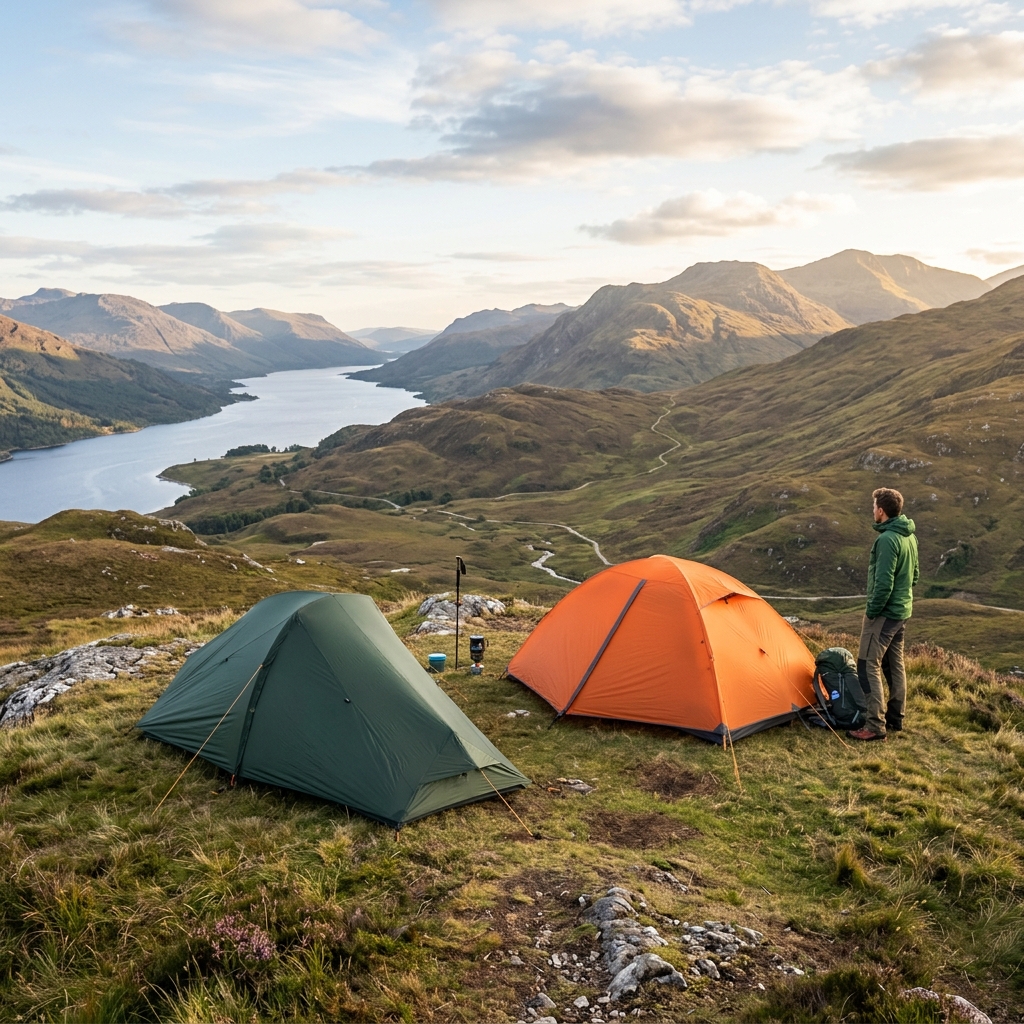
Backpacking in the UK, whether navigating the rolling hills of the Peak District, the rugged terrain of the Scottish Highlands, or the expansive moorland of Dartmoor, demands careful consideration of your gear. Weight is paramount. A lightweight tent isn’t just about comfort; it’s about preserving your energy, increasing your mobility, and ultimately, enhancing your entire experience. Every gram counts when you’re carrying everything on your back. Reducing pack weight allows for longer distances, steeper climbs, and a generally more enjoyable trek. The UK’s often unpredictable weather also means a reliable shelter is crucial, and a lightweight tent doesn’t mean sacrificing protection.
Key Features to Consider in a Lightweight Backpacking Tent
Choosing the right lightweight tent requires understanding key features. Here’s a breakdown:
Weight
The most obvious factor. Generally, tents under 2kg for a two-person tent are considered lightweight. For solo backpacking, aim for under 1.5kg.
Capacity
Consider whether you’ll be solo camping, sharing with a partner, or needing space for gear inside the tent. 1-person, 2-person, and 3-person options are readily available.
Waterproof Rating (Hydrostatic Head)
Measured in mm, this indicates resistance to water penetration. A minimum of 1500mm for the flysheet and 3000mm for the groundsheet is recommended for UK conditions. Higher numbers mean better protection, but also potentially heavier fabrics.
Materials
Silnylon: Silicone-coated nylon. Lightweight, strong, and relatively affordable. DCF (Dyneema Composite Fabric): Formerly Cuben Fibre. The lightest and most expensive option, offering exceptional strength-to-weight ratio. Polyester: More affordable and UV resistant, but generally heavier than silnylon or DCF.
Packed Size
Essential for fitting the tent into your backpack. Smaller is better, especially for longer treks.
Ease of Setup
Practice setting up the tent before your trip. A complex setup can be frustrating in bad weather.
Ventilation
Crucial to minimise condensation inside the tent. Look for vents and mesh panels.
Durability
A balance between weight and robustness. Consider the type of terrain you’ll be encountering.
Tent Types: Which is Right for You?
Different tent styles offer varying levels of weight, space, and protection.
| Tent Type | Pros | Cons | Ideal For |
|---|---|---|---|
| Dome Tents | Stable, easy to set up, good headroom. | Can be heavier than other options. | General backpacking, 3-season use. |
| Tunnel Tents | Good space-to-weight ratio, strong in wind. | Require staking out for stability, less freestanding. | Backpacking where stability in wind is important. |
| Single-Wall Tents | Very lightweight, simple setup. | Prone to condensation, less durable. | Experienced backpackers, dry climates. |
| Tarp Tents | Extremely lightweight, versatile. | Requires skill to pitch effectively, minimal protection. | Minimalist backpackers, experienced campers. |
Top 5 Lightweight Backpacking Tents of 2026 – Reviewed
Here’s a look at some of the best lightweight backpacking tents available in the UK:
1. Big Agnes Copper Spur HV UL2 Tent – £420
Specifications: Weight: 1.36kg, Capacity: 2-person, Waterproofing: 1500mm / 3000mm. A popular choice for its balance of weight, space, and comfort.
Pros: Spacious, lightweight, excellent ventilation, easy setup.
Cons: Relatively expensive.
Ideal User: Backpackers who prioritize comfort and space without sacrificing too much weight.
2. MSR Hubba Hubba NX Tent – £380
Specifications: Weight: 1.53kg, Capacity: 2-person, Waterproofing: 1500mm / 3000mm. A well-established and reliable tent known for its durability.
Pros: Durable, freestanding, good ventilation.
Cons: Slightly heavier than some competitors.
Ideal User: Backpackers seeking a reliable and robust tent for all conditions.
3. Nemo Hornet Elite 2P Tent – £400
Specifications: Weight: 1.14kg, Capacity: 2-person, Waterproofing: 1500mm / 3000mm. An ultralight option designed for fast and light backpacking.
Pros: Extremely lightweight, compact packed size.
Cons: Less durable than some options, limited space.
Ideal User: Ultralight backpackers prioritizing minimal weight above all else.
4. Terra Nova Ultra Quasar Tent – £350
Specifications: Weight: 1.25kg, Capacity: 2-person, Waterproofing: 2000mm / 5000mm. A British brand known for its high-quality tents designed for challenging conditions.
Pros: Excellent waterproofing, strong construction, good value for money.
Cons: Can be a tighter fit for two people.
Ideal User: Backpackers needing a reliable tent for unpredictable UK weather.
5. Vango Furra 2+ Tent – £220
Specifications: Weight: 1.7kg, Capacity: 2-person, Waterproofing: 3000mm / 7000mm. A more affordable option offering good protection and space.
Pros: Affordable, excellent waterproofing, spacious.
Cons: Heavier than premium options.
Ideal User: Beginners or occasional backpackers on a budget.
Budget-Friendly Lightweight Tent Options (Under £150)
While premium tents offer the best performance, excellent options exist for those on a tighter budget. The Snugpak Ionosphere 1 Tent (£180) is a good option for solo adventurers.
Caring for Your Lightweight Tent: Maintenance & Longevity
To maximise the lifespan of your tent:
- Cleaning: Gently clean with lukewarm water and mild soap after each trip.
- Waterproofing: Re-waterproof the flysheet annually, or as needed.
- Storage: Store in a dry, well-ventilated place. Avoid folding the tent in the same way each time to prevent wear.
- Repair: Carry a repair kit and learn basic repair techniques.
Lightweight Tent Accessories You’ll Need
Complement your tent with these essentials:
- Footprint/Groundsheet: Protects the tent floor from abrasion.
- Lightweight Pegs: Essential for securing the tent.
- Repair Kit: For patching holes and fixing broken poles.
- Seam Sealer: To reinforce seams and prevent leaks.
- Compression Sack: For compacting the tent in your backpack.
Where to Buy Lightweight Backpacking Tents in the UK
Reputable UK retailers include:
- Go Outdoors
- Decathlon
- Ellis Brigham Mountain Sports
- Cotswold Outdoor
- Snow+Rock
FAQ
Q: What hydrostatic head rating do I need for a tent in the UK?
A minimum of 1500mm for the flysheet and 3000mm for the groundsheet is recommended to cope with typical UK rainfall.
Q: What’s the difference between silnylon and DCF?
Silnylon is more affordable and durable, while DCF is significantly lighter but more expensive and less abrasion-resistant.
Q: How important is ventilation in a lightweight tent?
Very important! Good ventilation reduces condensation buildup, which can make your camping experience much more comfortable.
Q: Can I re-waterproof my tent?
Yes, you can! Use a tent-specific waterproofing spray or wash-in treatment. Regularly re-waterproofing will prolong the life of your tent.
Q: What is a footprint and do I need one?
A footprint is a groundsheet specifically cut to fit under your tent. While not essential, it protects the tent floor from abrasion and extends its lifespan.