Table of Contents
As an Amazon Associate, we earn from qualifying purchases. This means we may receive a small commission at no extra cost to you when you buy through links on this page.
Introduction: Why Camping in the UK is Amazing
The UK offers a breathtaking variety of landscapes, from rugged coastlines to rolling hills and ancient woodlands. Camping is the perfect way to immerse yourself in this natural beauty, disconnecting from the stresses of daily life and reconnecting with nature. With the continued popularity of ‘staycations’ – fuelled in part by recent global events – planning your camping trip in advance is more important than ever, especially as campsites fill up quickly. In 2026, expect even greater demand, meaning securing your perfect pitch requires foresight and preparation.
Step 1: Choosing Your Campsite
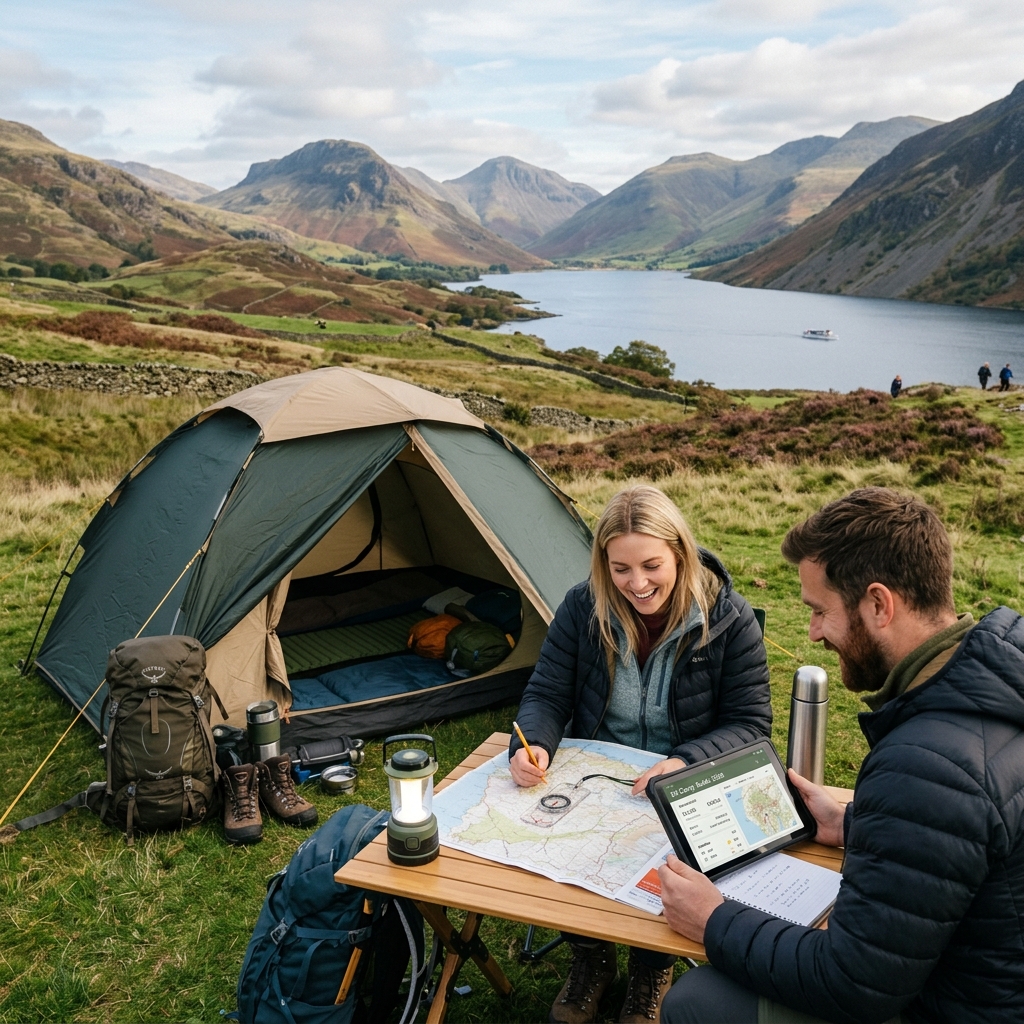
The first step is deciding where to pitch your tent. You have several options:
- Wild Camping: Technically illegal in England and Wales without landowner permission, but tolerated in some areas of Scotland and Dartmoor. Requires responsible behaviour and a thorough understanding of the rules.
- Caravan Parks: Offer the most facilities – toilets, showers, electric hook-ups, shops – and are generally family-friendly.
- Campsites: A middle ground, offering some facilities but often a more natural and secluded experience.
- Glamping: For those who want the outdoor experience without sacrificing comfort. Options range from yurts to cabins.
Factors to consider:
- Facilities: What amenities are essential for you?
- Location: Do you want coastal views, mountain access, or woodland tranquility? Popular regions include the Lake District, Cornwall, the Scottish Highlands, and the Peak District.
- Accessibility: Is the site easily accessible by car or public transport?
- Price: Campsite fees vary considerably, from around £20 per night for a basic pitch to over £50 for glamping.
- Booking Requirements: Many campsites require advance booking, especially during peak season.
Step 2: Gear Up – Essential Camping Equipment
Investing in quality gear is crucial for a comfortable and safe camping trip. Here’s a breakdown of essentials, with price ranges as of 2026:
Tent
Your shelter from the elements. Consider the number of people and the weather conditions.
Vango Aurora 300 Tent – £189.99
Sleeping Bag
Choose a bag with a temperature rating appropriate for the time of year.
Snugpak Softie 3 Expansion Sleeping Bag – £149.99
Sleeping Mat
Provides insulation and comfort under your sleeping bag.
Therm-a-Rest NeoAir XLite Sleeping Mat – £199.99
Cooking Equipment
A camping stove, cookware, and utensils are essential if you plan to cook.
Coleman Classic Propane Stove – £69.99
Lighting
A headlamp or torch is vital for navigating the campsite at night.
Petzl Actik Core Headlamp – £45.00
Clothing
Pack layers to adapt to changing weather conditions.
Water Bottle
Stay hydrated with a reusable water bottle.
Hydro Flask 32oz Wide Mouth Bottle – £40.00
Comparison Table: Budget vs Mid-Range vs Premium
| Category | Budget (£) | Mid-Range (£) | Premium (£) |
|---|---|---|---|
| Tent | £80-£150 | £150-£300 | £300+ |
| Sleeping Bag | £40-£80 | £80-£150 | £150+ |
| Sleeping Mat | £30-£60 | £60-£120 | £120+ |
Step 3: Meal Planning & Food Storage
Planning your meals in advance will save you time and hassle at the campsite. Focus on easy recipes and non-perishable food items. Options include pasta dishes, canned goods, dried fruits, and nuts. Consider dehydrated meals for lightweight options. If using a campfire (where permitted), plan meals that can be cooked over the flames. Store food in airtight containers to prevent attracting wildlife and maintain freshness. Minimising food waste is key – pack reusable containers and avoid over-packing.
Step 4: Packing Like a Pro – A Camping Checklist
- Shelter: Tent, pegs, guylines
- Sleep: Sleeping bag, sleeping mat, pillow
- Cooking: Stove, fuel, cookware, utensils, plates, bowls, cups, washing-up liquid, sponge
- Clothing: Layers, waterproof jacket, hiking boots, socks, hat, gloves
- Hygiene: Toothbrush, toothpaste, soap, shampoo, toilet paper, towel, hand sanitiser
- Safety & First Aid: First aid kit, map, compass, whistle, headlamp, sunscreen, insect repellent
- First Aid Kit – Compact – £25.00
- Lifeventure Trekking Poles – £55.00
- Entertainment: Books, games, cards
Packing Tip: Roll your clothes instead of folding them to save space. Distribute weight evenly in your backpack.
Step 5: Campsite Safety & Etiquette
- Fire Safety: Only build fires in designated fire pits and never leave them unattended.
- Carbon Monoxide Awareness: Never use a stove or lantern inside your tent.
- Wildlife Awareness: Store food securely and avoid approaching wild animals.
- Weather Preparedness: Check the forecast before you go and pack accordingly. A Jack Wolfskin Waterproof Jacket – £120.00 is a must!
- Respect Other Campers: Keep noise levels down, especially at night.
- Leave No Trace: Pack out all your rubbish and leave the campsite as you found it.
Step 6: Activities & Entertainment
Camping offers a great opportunity to explore the outdoors. Ideas include hiking, cycling, kayaking, stargazing, nature walks, and birdwatching. Research local attractions and events near your campsite. Bring board games or cards for rainy days.
Step 7: Staying Connected (or Disconnecting!)
Mobile signal can be patchy in some areas. Consider a portable Wi-Fi hotspot if you need to stay connected. However, embrace the opportunity to disconnect from technology and enjoy the peace and quiet of nature. Goal Zero Nomad 20 Solar Panel – £170.00 can help keep your devices charged if you do choose to bring them.
Camping in 2026: What’s New?
Several trends are shaping the camping experience in 2026:
- Eco-Friendly Options: Increased demand for sustainable camping gear and campsites with eco-friendly practices.
- Smart Camping Technology: Smart tents with built-in climate control and lighting are becoming more popular. Portable power stations are also gaining traction.
- Climate Change Impact: Changing weather patterns and rising sea levels are impacting some camping locations, so it’s important to check conditions before you go.
Conclusion: Enjoy Your UK Camping Adventure!
Planning a camping trip takes effort, but the rewards are well worth it. By following these tips, you can ensure a safe, comfortable, and memorable experience. So pack your bags, embrace the outdoors, and enjoy the beauty of the UK countryside!
FAQ
Q: Do I need a permit for wild camping?
A: Wild camping is technically illegal in England and Wales without the landowner’s permission. Scotland and Dartmoor have more relaxed rules, but responsible behaviour is essential.
Q: What’s the best way to stay warm in a tent?
A: Layers of clothing, a good sleeping bag with an appropriate temperature rating, and a sleeping mat are crucial for staying warm. Consider a hot water bottle.
Q: How do I deal with insects while camping?
A: Use insect repellent, wear long sleeves and trousers, and consider a mosquito net for your tent.
Q: What should I do in case of bad weather?
A: Check the forecast before you go and pack waterproof clothing and a sturdy tent. If the weather becomes severe, seek shelter in a nearby building or evacuate the campsite if necessary.
Q: Is it safe to cook with a campfire?
A: Campfires can be safe if built responsibly in designated fire pits. Never leave a campfire unattended and ensure it is fully extinguished before leaving the campsite.