Table of Contents
As an Amazon Associate, we earn from qualifying purchases. This means we may receive a small commission at no extra cost to you when you buy through links on this page.
Introduction: The Magic of Campfires & Why Safety Matters
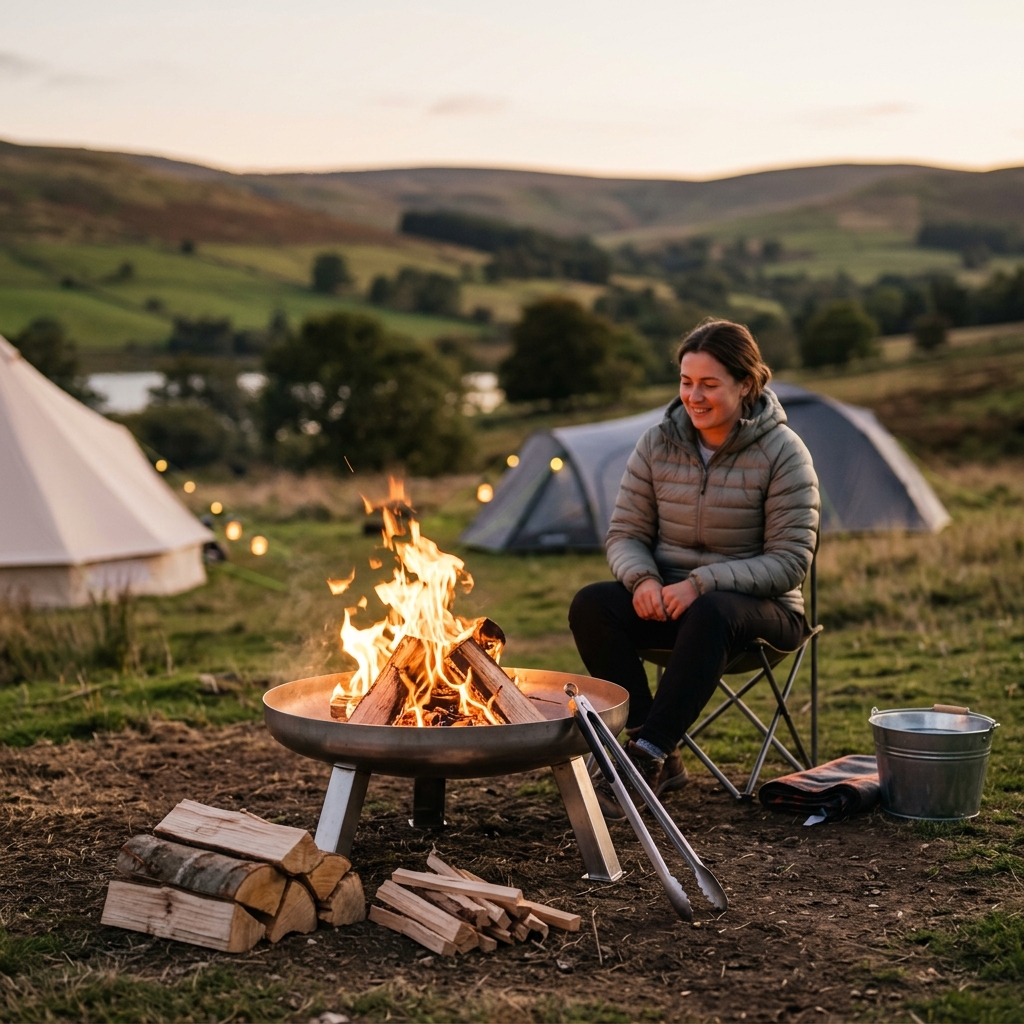
The crackle of wood, the warmth on your face, the stories shared under the stars… campfires hold a special allure for campers across the UK. They’re central to many outdoor experiences, providing light, warmth, and a focal point for socialising. However, that magic comes with responsibility. Campfires pose significant risks if not managed correctly, from accidental wildfires to personal injuries. Furthermore, regulations surrounding campfires are becoming increasingly strict across the UK, with updates anticipated throughout 2026 to reflect growing concerns around environmental impact and wildfire prevention. This guide will provide a comprehensive overview of how to build and enjoy a campfire safely and responsibly, keeping both yourself and the natural environment protected.
Understanding UK Campfire Regulations (2026)
Campfire regulations across the UK vary significantly depending on location. As of early 2026, the situation is as follows:
- National Parks: Many National Parks (e.g., Lake District, Peak District, Snowdonia) have strict restrictions, often prohibiting open fires entirely, especially during drier periods. Permits are often required for the use of designated fire rings or stoves. Expect stricter enforcement and potentially increased fines in 2026.
- Private Land: If camping on private land, it’s crucial to obtain explicit permission from the landowner regarding campfires. Landowners are liable for any damage caused by fires on their property.
- Campsites: Most campsites will have designated campfire areas. These areas are generally safer and subject to the campsite’s rules. Always check with the campsite management before lighting a fire.
Anticipated Changes (2026): There’s increasing pressure on governing bodies to standardise campfire regulations across the UK. Expect to see a greater emphasis on ‘Leave No Trace’ principles and potentially wider bans during periods of high fire risk. Some areas may introduce a mandatory permit system even for using designated fire pits. Fines for violating campfire regulations can range from £100 to £2,000, and in serious cases, could lead to prosecution.
Useful Resources:
- National Parks UK
- Gov.uk – Fire Safety Law
- Check the specific website of the National Park or area you intend to visit.
Choosing the Right Campfire Site
Selecting a safe site is paramount. Consider these factors:
- Distance from Tents & Structures: Maintain a minimum distance of 3 meters (10 feet) from tents, vehicles, and any other flammable structures.
- Overhead Clearance: Ensure there are no overhanging branches or trees above the fire.
- Vegetation: Clear a 3-meter radius around the fire site of all dry leaves, grass, twigs, and other flammable vegetation.
- Wind Direction: Position the fire so the smoke won’t blow directly into tents or towards other campers. Be extra cautious on windy days.
- Existing Fire Rings: Whenever possible, use existing fire rings or designated fire pits. This minimizes environmental impact.
- Creating a New Fire Ring: If creating a new ring, dig a shallow pit and surround it with rocks.
Gathering Your Materials: Fuel Types & Preparation
A successful campfire requires three types of fuel:
- Tinder: Easily combustible material that catches a spark. Examples include birch bark (responsibly sourced!), dry leaves, pine needles, cotton wool soaked in petroleum jelly, or commercially produced fire starters.
- Kindling: Small, dry twigs and branches that ignite easily from the tinder. Gradually increase the size of the kindling as the fire grows.
- Fuel Wood: Larger pieces of wood that sustain the fire.
Sourcing Sustainable Wood: Avoid cutting down living trees. Collect only dead and fallen wood. Consider purchasing wood from a local, sustainable source. Never burn treated wood, painted wood, or plastic – these release harmful toxins.
Dry Wood is Essential: Wet wood will smoke excessively and is difficult to ignite. If wood is damp, split it to expose the dry inner core.
Campfire Building Techniques: Step-by-Step Guides
Here’s a comparison of popular campfire structures:
| Technique | Description | Pros | Cons |
|---|---|---|---|
| Teepee | Arrange kindling and fuel wood in a cone shape over the tinder. | Easy to build, good airflow, burns hot and quickly. | Requires frequent tending, can collapse easily. |
| Log Cabin | Build a square frame of fuel wood around the tinder and kindling, gradually adding layers. | Stable, burns slowly and evenly, good for cooking. | Can be difficult to get started, requires more wood. |
| Lean-to | Place a larger piece of wood as a windbreak and lean kindling against it over the tinder. | Simple to build, good for windy conditions. | Requires careful placement of the windbreak, can be less stable. |
| Platform | Build a platform of larger wood, then place tinder and kindling on top. | Good for wet ground, keeps the fire off the damp surface. | Requires more effort to build, can be less efficient. |
Lighting Your Campfire: Best Practices
Use matches, a lighter, or a fire starter to ignite the tinder. Shield the flame from the wind. Gradually add kindling as the tinder catches, then slowly introduce larger fuel wood. Avoid overloading the fire – it’s better to add fuel gradually than to smother it.
Campfire Safety Precautions: Preventing Accidents
- Never leave a campfire unattended.
- Keep a bucket of water and a shovel nearby at all times.
- Supervise children and pets closely around the fire.
- Be aware of wind conditions and adjust the fire accordingly.
- Wear appropriate clothing – avoid loose-fitting garments that could catch fire.
- Have a fully stocked first-aid kit readily available (Lifeline First Aid Kit – Expedition – £40.0).
- Consider carrying a headlamp for visibility at night (Petzl Actik Core Headlamp – £75.0).
Extinguishing Your Campfire: The Right Way
Extinguishing a campfire completely is crucial. Follow these steps:
- Douse the fire with plenty of water.
- Stir the ashes and embers with a shovel.
- Repeat the dousing and stirring process until everything is cool to the touch.
- Perform the ‘feel test’ – carefully place the back of your hand near the ashes. If you feel any heat, add more water and stir again.
- Ensure there are no remaining embers before leaving the site.
Campfire Alternatives: When Fires Aren’t Permitted
When campfires are prohibited or impractical, consider these alternatives:
- Portable Stoves: Efficient and convenient for cooking (Outjoy Portable Camping Stove – £50.0).
- Gas Fire Pits: Provide a similar ambiance to a campfire without the risks.
- Battery-Powered Lanterns: Offer safe and reliable light.
For reliable fire starting in all conditions, consider a FireSteel Pro Fire Starter (£25.0) or a SNAIL Multi-Tool Camping Fire Starter (£30.0)
Campfire Etiquette: Being a Responsible Camper
Practice ‘Leave No Trace’ principles: pack out all trash, minimize your impact on the environment, and respect other campers. Avoid creating excessive smoke, and be mindful of noise levels. Remember, responsible campfire practices help preserve the natural beauty of the UK for generations to come.