Table of Contents
As an Amazon Associate, we earn from qualifying purchases. This means we may receive a small commission at no extra cost to you when you buy through links on this page.
Why You Need a Backpack Rain Cover
The UK weather is notoriously unpredictable. Even if your backpack is advertised as “water-resistant,” relying on that alone during a downpour is a risky strategy. Water resistance simply means the fabric repels water to a certain extent, not that it’s waterproof. Prolonged exposure to rain will eventually saturate the material. A dedicated rain cover is an essential piece of kit for any hiker in the British Isles.
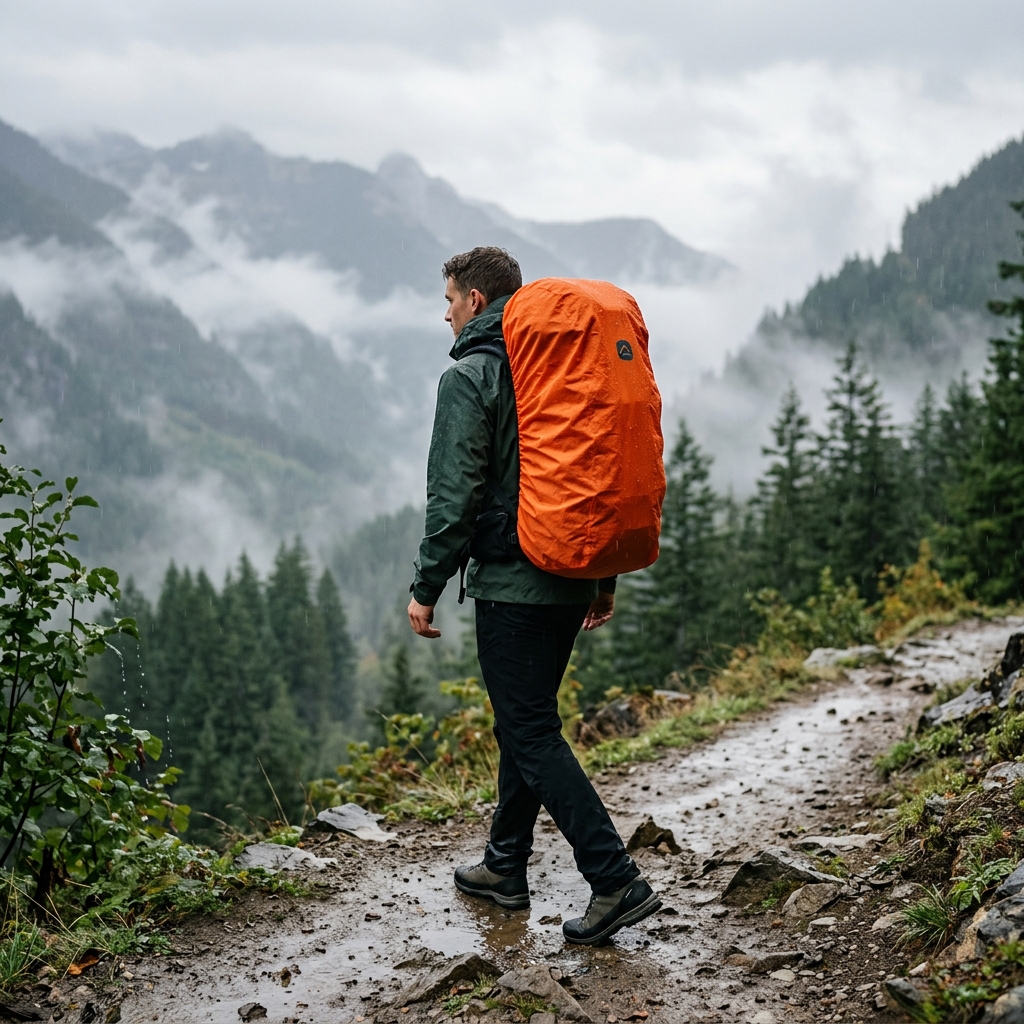
The consequences of wet gear can range from discomfort to genuinely dangerous. Wet clothes lose their insulating properties, significantly increasing the risk of hypothermia, even in relatively mild temperatures. Electronic devices (phones, cameras, GPS units) can be irreparably damaged by water ingress. Beyond this, a soggy sleeping bag or spare clothing is simply miserable. Investing in a good quality rain cover is a small price to pay for peace of mind and safety on the trails.
Types of Backpack Rain Covers
There are several types of backpack rain covers available, each with its own advantages and drawbacks:
Fitted Covers
These are designed specifically for a particular backpack model. They offer the best fit and coverage but are only suitable for that specific backpack. They are often integrated into the backpack’s design.
Universal Covers
The most common type, these come in various sizes to fit a range of backpack volumes. They typically secure with elasticated hems and adjustable straps. They are versatile and cost-effective.
Integrated Covers
Some backpacks have a built-in rain cover stored in a dedicated pocket at the base. This is convenient as you can’t lose it, but the cover is often lighter-duty than a separate, purchased cover.
Materials: Most rain covers are made from either nylon, polyester, or polyurethane. Nylon offers good durability and abrasion resistance, but can be more expensive. Polyester is more affordable and UV resistant. Polyurethane (PU) is known for its excellent waterproofness, but can degrade over time with exposure to sunlight. In 2026, we’re seeing more rain covers utilising recycled materials in their construction, a positive trend for sustainability.
Sizing Your Rain Cover: A Comprehensive Guide
Correct sizing is crucial for effective protection. Rain covers are generally sized based on the volume of your backpack, measured in litres (L). To determine your backpack’s volume, check the manufacturer’s specifications. If you’re unsure, you can approximate it by filling your pack with known-volume items (water bottles, etc.).
Here’s a general sizing guide:
| Backpack Volume (Litres) | Rain Cover Size (Litres) |
|---|---|
| 20-30L | 20-30L |
| 30-50L | 30-50L |
| 50-70L | 50-70L |
| 70-90L | 70-90L |
| 90L+ | 90L+ |
Important Considerations: If your backpack is unusually shaped or has external gear attachments, you may need to go up a size. It’s better to have a slightly larger cover than one that’s too small. For packs with a lot of external gear, consider a cover with additional straps to secure it more effectively.
Key Features to Look For in 2026
When choosing a rain cover in 2026, consider these features:
- Waterproof Rating (mm): This indicates the amount of water pressure the fabric can withstand. A rating of 2,000mm is generally sufficient for most conditions, but 5,000mm+ offers superior protection in heavy rain.
- Durability: Look for ripstop nylon or polyester to resist tears and abrasions.
- Reflective Elements: Enhanced visibility in low-light conditions is a vital safety feature.
- Adjustable Straps: Ensure a secure and snug fit.
- Weight: Lightweight covers are preferable, especially for long-distance hiking.
- Packability: The cover should pack down small and not take up too much space in your backpack.
- Ventilation Features: Some covers offer ventilation to reduce condensation build-up inside the pack.
Top Backpack Rain Cover Picks for UK Hikers (2026)
Our Top Pick: Ortlieb Atrack BP Rain Cover (30-50L) – £35.99
Ortlieb is renowned for its waterproof gear, and this rain cover lives up to their reputation. It offers excellent waterproofing, durability, and a secure fit. It’s a little more expensive but worth the investment for serious hikers.
Pros:
- Exceptional waterproof protection
- Durable construction
- Secure fit
Cons:
- Relatively expensive
- Limited colour options
Best Budget: Decathlon Forclaz Trek 100 Rain Cover (50-80L) – £19.99
Decathlon consistently offers excellent value for money. This rain cover provides reliable protection at a very affordable price. It’s a great option for occasional hikers or those on a tight budget.
Pros:
- Very affordable
- Good waterproofing for the price
- Lightweight
Cons:
- Less durable than premium options
- Basic design
Best Lightweight: Rab Stretch Rain Cover (20-30L) – £29.99
If weight is a primary concern, the Rab Stretch Rain Cover is an excellent choice. It’s incredibly lightweight and packs down small, making it ideal for fast-packing and ultralight hiking.
Pros:
- Extremely lightweight
- Highly packable
- Good waterproof protection
Cons:
- Not as durable as heavier options
- Smaller size range
Best for Large Backpacks: Sea to Summit Trek & Travel Rain Cover (65-85L) – £49.99
For larger backpacks, the Sea to Summit Trek & Travel Rain Cover offers comprehensive coverage and a secure fit. It’s made from durable materials and features reflective detailing for increased visibility.
Pros:
- Excellent coverage for large packs
- Durable and waterproof
- Reflective detailing
Cons:
- More expensive than some alternatives
- Can be bulky when packed
Best for Winter Hiking: Outdoor Research Ultralight Rain Cover (50-70L) – £42.50
This cover boasts a high waterproof rating and robust construction, ideal for enduring harsh winter conditions. The bright colour also aids visibility in snowy landscapes.
Pros:
- High waterproof rating
- Durable construction
- Bright colour for visibility
Cons:
- Slightly heavier than ultralight options
- Pricey
Good All-Rounder: Vango Apex Rain Cover (60-80L) – £32.00
A reliable all-rounder from a trusted outdoor brand. Offers a good balance of price, performance, and features.
Pros:
- Good value for money
- Reliable waterproof protection
- Adjustable straps for a secure fit
Cons:
- Not the lightest option available
- Design is fairly basic
How to Properly Fit and Use Your Rain Cover
1. Unpack the cover: Remove the rain cover from its storage pouch.
2. Position the cover: Place the cover over your backpack, ensuring the waterproof side is facing outwards.
3. Secure the elastic hem: Stretch the elasticated hem around the base of your backpack.
4. Tighten the straps: Adjust the straps to create a snug fit, preventing the wind from lifting the cover.
5. Check for gaps: Ensure there are no gaps where water could enter. Pay attention to the top of the pack and around any external attachments.
Common Mistakes to Avoid: Don’t leave the cover too loose, as it will flap in the wind and may not provide adequate protection. Avoid over-tightening the straps, as this could damage the cover or your backpack.
Caring for Your Backpack Rain Cover
After each hike, rinse your rain cover with clean water to remove dirt and debris. Allow it to air dry completely before storing it. Avoid using harsh detergents or bleach. For minor tears, use a waterproof repair tape. Store the cover in a cool, dry place away from direct sunlight.
Rain Cover Alternatives & Considerations
Pack Liners (Dry Bags): Dry bags placed *inside* your backpack offer an extra layer of protection for your gear. They are especially useful for sensitive items like sleeping bags and electronics. However, they don’t protect the outside of your pack.
When a Rain Cover Might Not Be Sufficient: In extremely heavy and prolonged rainfall, or if your backpack is submerged, a rain cover alone may not be enough. Combining a rain cover with internal dry bags is the best approach for maximum protection. Also, consider the overall breathability – a completely sealed pack can lead to condensation build-up inside.
FAQ
Q: Will a rain cover make my backpack completely waterproof?
A: While a good rain cover will offer excellent protection, it’s unlikely to make your backpack *completely* waterproof, especially in very heavy rain or if submerged. Combining a rain cover with internal dry bags is the best approach.
Q: How often should I replace my rain cover?
A: The lifespan of a rain cover depends on usage and quality. Inspect it regularly for tears or damage. With proper care, a good quality cover should last several years.
Q: Can I machine wash my rain cover?
A: Generally, it’s best to hand wash your rain cover with mild soap and water. Check the manufacturer’s instructions for specific guidance.
Q: Does the colour of the rain cover matter?
A: Brighter colours (like orange or yellow) can enhance visibility in low-light conditions, making you safer on the trails, especially during winter months.
Q: What if my backpack has an unusual shape?
A: If your backpack is unusually shaped, you may need to opt for a larger rain cover or consider a model with adjustable straps to ensure a secure fit.