Table of Contents
As an Amazon Associate, we earn from qualifying purchases. This means we may receive a small commission at no extra cost to you when you buy through links on this page.
Introduction: Choosing the Right Tent for UK Camping
Choosing the right tent is arguably the most important decision you’ll make for a successful camping trip in the UK. With the continued popularity of staycations and a growing influence from ‘glamping’ – a desire for comfort without sacrificing the outdoors – campers in 2026 are seeking tents that offer both practicality and a touch of luxury. Dome and tunnel tents remain the most popular choices, each with its own strengths and weaknesses. This article provides a detailed comparison to help you decide which tent type best suits your needs, considering the often-unpredictable British weather and diverse camping landscapes. We’ll look at everything from space and stability to cost and ease of pitching, focusing on products readily available in the UK market.
What is a Dome Tent?
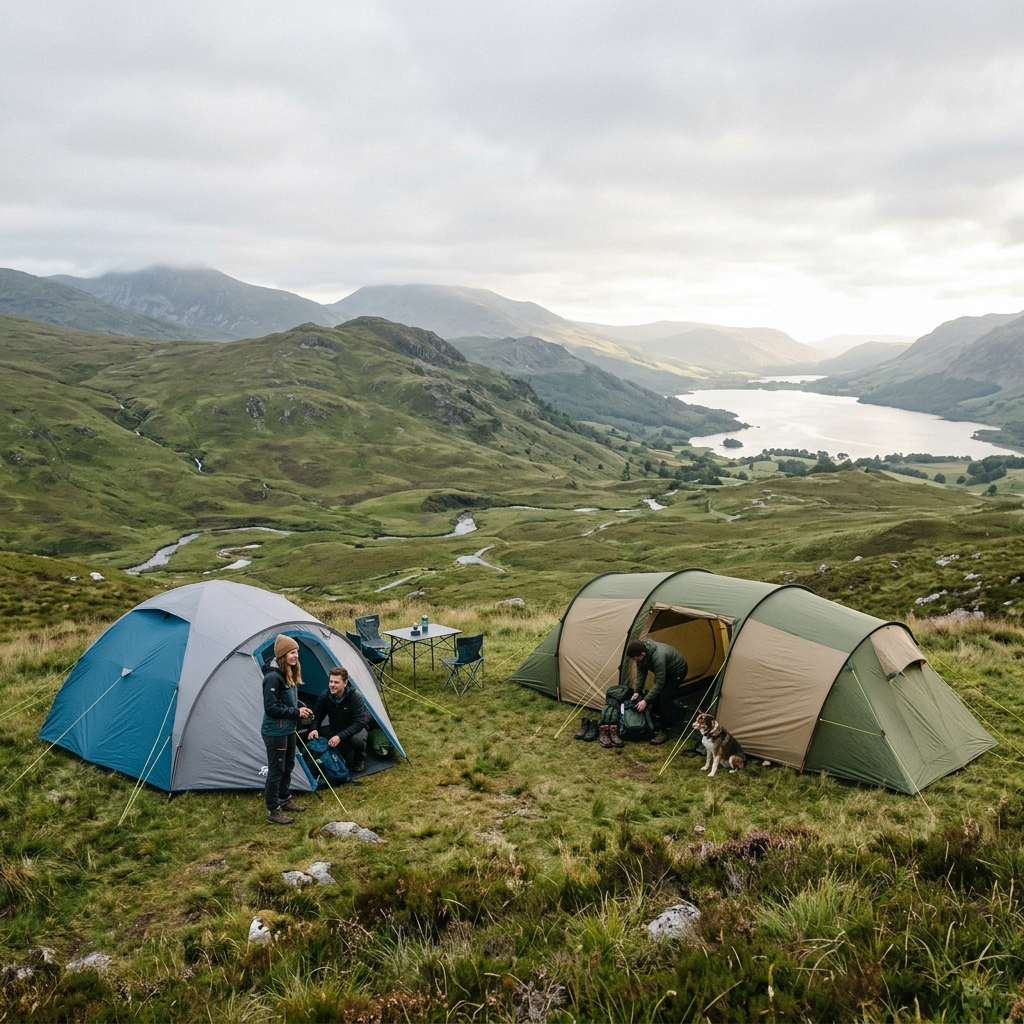
A dome tent, as the name suggests, is characterised by its curved, dome-like shape. This structure is inherently self-supporting, meaning it doesn’t *require* guylines to stand upright – though using them significantly increases stability. Dome tents typically utilise a network of intersecting poles, often made of aluminium alloy or fibreglass, to create their shape. Modern dome tents commonly employ polyester or nylon flysheets and groundsheets, offering good water resistance and durability. The self-supporting design is a key feature, making them relatively quick and easy to pitch, even for beginners.
What is a Tunnel Tent?
Tunnel tents are distinguished by their long, arched shape created by multiple parallel poles. Unlike dome tents, tunnel tents rely heavily on guylines for structural integrity. These guylines are crucial for maintaining the tent’s shape and resisting wind. Tunnel tents are known for efficiently maximising internal space, offering generous headroom and often including separate living areas. Similar to dome tents, they are usually constructed from polyester or nylon fabrics, with aluminium poles being common in higher-end models. The arched design allows for good wind resistance when pitched correctly, but requires careful staking and guying.
Dome Tent vs Tunnel Tent: Key Differences – A Detailed Comparison
Here’s a head-to-head comparison of dome and tunnel tents across several key factors:
| Feature | Dome Tent | Tunnel Tent |
|---|---|---|
| Space & Headroom | Generally less spacious than tunnel tents; headroom can be limited, especially towards the edges. | Offers excellent space and headroom, particularly in longer models; often features separate living areas. |
| Stability in Wind | Good stability if guylines are used, but can be vulnerable to strong crosswinds. | Excellent stability *when pitched correctly with all guylines secured*. Arched shape deflects wind effectively. |
| Weather Resistance | Waterproof ratings typically range from 2000mm to 3000mm. Good protection in moderate rain. | Waterproof ratings generally similar (2000mm-5000mm). Effective protection when guylines maintain a taught pitch, preventing water pooling. |
| Ease of Pitching | Relatively easy and quick to pitch, especially for smaller models. Often colour-coded poles. | More complex and time-consuming to pitch; requires careful guying. Can be a two-person job, especially for larger tents. |
| Weight & Pack Size | Generally lighter and more compact than tunnel tents. Ideal for backpacking or limited car space. | Heavier and bulkier due to the multiple poles and fabric. Less suitable for backpacking. |
| Cost | Generally more affordable, with prices starting around £80 for a basic 2-person tent. | Typically more expensive, starting around £250 for a basic family-sized tent. |
Dome Tents: Pros and Cons for UK Campers
Pros:
- Portability: Easier to transport and carry, making them suitable for hiking and more remote campsites.
- Quick Pitching: Ideal for campsites with late arrivals or those prone to changing weather.
- Cost-Effective: Often a more budget-friendly option.
- Versatility: Suitable for a wide range of terrains and conditions.
Cons:
- Limited Space: Can feel cramped for families or longer stays.
- Wind Sensitivity: More susceptible to strong winds without proper guying.
- Headroom: Can be difficult to stand up inside.
Tunnel Tents: Pros and Cons for UK Campers
Pros:
- Spaciousness: Provides ample living space and headroom, perfect for families.
- Wind Resistance: Excellent stability in windy conditions when correctly pitched.
- Weather Protection: Effective at shedding rain and offering protection from the elements.
- Living Area: Often includes separate living areas for cooking, relaxing, and storing gear.
Cons:
- Complexity: More challenging and time-consuming to pitch.
- Weight & Bulk: Heavier and bulkier, requiring more storage space.
- Cost: Generally more expensive than dome tents.
- Guyline Dependence: Reliant on guylines for stability; failure to secure them properly can lead to collapse.
Which Tent is Best For…
- Solo Campers & Backpackers: Snugpak Scamp 2 Tent – £229.99 (Dome) – Lightweight, compact, and easy to pitch.
- Couples: Coleman Cobra 4 Dome Tent – £199.99 (Dome) – Offers a good balance of space, weight, and cost.
- Families (2-4 people): Vango Odyssey 500 Tunnel Tent – £499.99 (Tunnel) – Provides ample space and headroom for family comfort.
- Larger Groups (5+ people): Gelert Horizon 6 Tunnel Tent – £349.99 (Tunnel) – Offers significant space for larger groups.
- Festivals: Quechua NH100 2 Person Dome Tent – £79.99 (Dome) – Lightweight, affordable, and easy to transport.
- Long-Term Camping/Extended Stays: Outwell Nevada MP 5PC Tent – £649.99 (Tunnel) – Offers maximum space, comfort, and weather protection for extended camping trips.
Future Trends in Tent Technology (2026)
Tent technology is constantly evolving. In 2026, we’re seeing several key trends:
- Lighter Fabrics: Manufacturers are utilising advanced materials like ripstop nylon and polyester with higher denier ratings for increased durability with reduced weight.
- Recycled Materials: Sustainability is a key driver, with more tents incorporating recycled fabrics and plastics.
- Inflatable Tents: AirBeam technology continues to improve, offering rapid pitching and robust stability, though they tend to be more expensive.
- Hybrid Designs: Combining the benefits of dome and tunnel tents, offering a balance of space, stability, and portability.
- Smart Tent Technology: Integrated lighting powered by solar panels, smart ventilation systems, and even tent-integrated weather monitoring are becoming increasingly common.
Conclusion: Making the Right Choice for Your Camping Needs
Ultimately, the best tent for you depends on your individual needs and camping style. Dome tents are a great choice for solo adventurers, couples, and those prioritising portability and ease of pitching. Tunnel tents excel in providing spaciousness and stability for families and groups, particularly in the often-windy conditions of the UK. Consider the frequency of your camping trips, the size of your group, the type of terrain you’ll be camping on, and your budget. By carefully weighing the pros and cons of each tent type, you can ensure a comfortable and enjoyable camping experience in 2026 and beyond.