
Looking for a way to enjoy the great outdoors without being bothered by pesky insects? A camping screen house might be just what you need. This guide provides comprehensive camping screen house reviews UK, helping you choose the perfect shelter for your next adventure. We’ll delve into the key features, review top models available in 2026, and offer helpful setup and maintenance tips.
As an Amazon Associate, we earn from qualifying purchases. This means we may receive a small commission at no extra cost to you when you buy through links on this page.
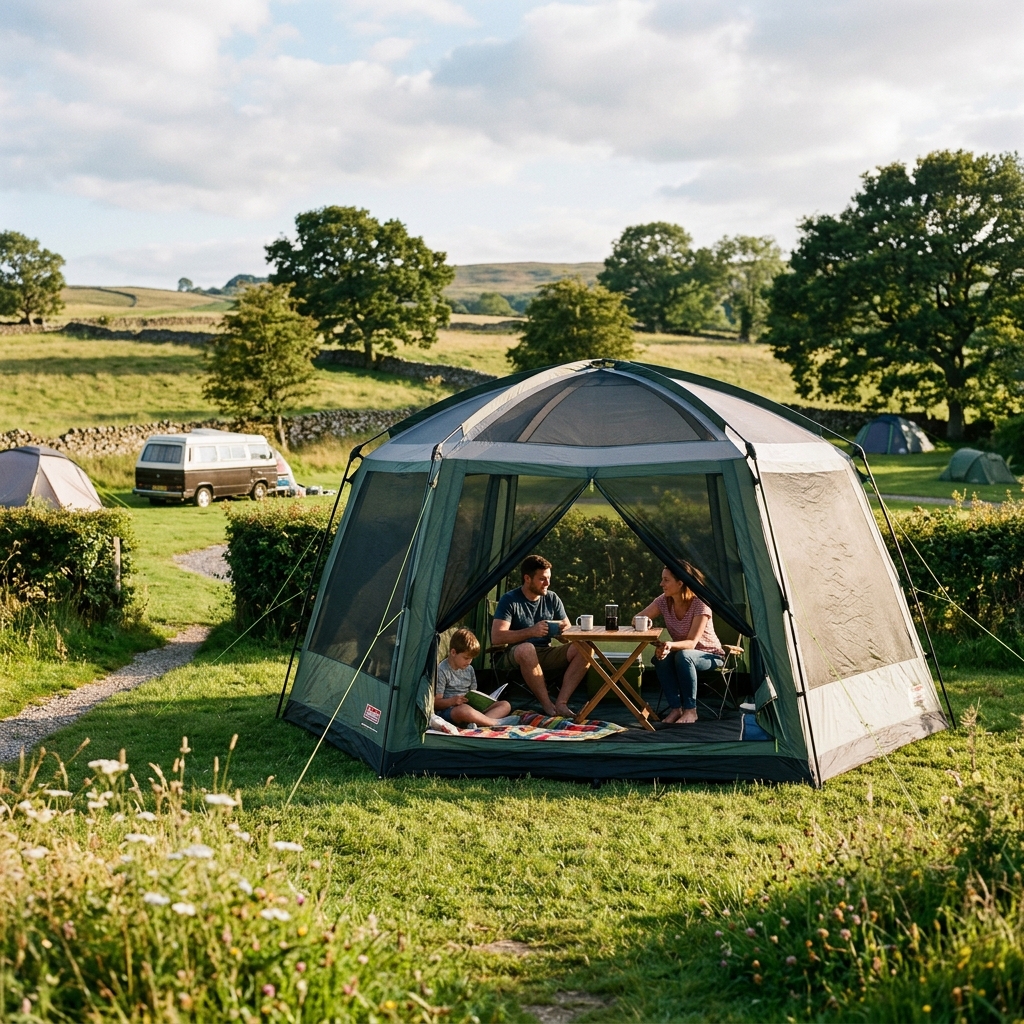
Table of Contents
What is a Camping Screen House & Why Do You Need One?
A camping screen house is essentially a portable, enclosed structure with mesh walls, providing protection from insects while allowing for ventilation and offering shade. Think of it as an outdoor room! They differ from gazebos in that gazebos typically have solid roofs and sides (or optional ones), while screen houses are almost entirely mesh.
Benefits of using a camping screen house:
- Bug Protection: Keeps mosquitoes, flies, and other insects at bay, allowing you to relax and enjoy your campsite.
- Shade: Provides respite from the sun, especially important during hot summer months.
- Extra Living Space: Creates a comfortable area for dining, playing games, or simply relaxing outside your tent.
- Versatility: Can be used for cooking, storing gear, or as a changing room.
Who benefits most from a screen house? Families with young children, campers in areas with high insect populations, and those who enjoy camping in warmer weather will all appreciate the benefits a screen house offers.
Key Features to Consider When Buying a Camping Screen House
Choosing the right camping screen house requires careful consideration of several factors. Here’s a detailed breakdown:
Size & Capacity
Consider how many people you’ll typically be using the screen house with. Screen houses range in size, from small shelters for 2-4 people to larger options that can comfortably accommodate 6-8 or more. Think about furniture – will you want to fit a picnic table and chairs inside?
Material (Mesh & Canopy)
Mesh: The finer the mesh, the better the insect protection. Look for durable, tear-resistant mesh. Polyester mesh is common and offers good value, while some premium models use tougher materials.
Canopy: The canopy material should offer UV protection. Polyester is a standard choice, but some feature silver coatings for enhanced sun reflection. Water resistance is often limited, but a degree of water repellency is useful for light showers.
Frame Type
Steel: Durable and strong, but heavier and more prone to rust if not properly maintained. Typically found on more robust, larger screen houses.
Fibreglass: Lighter than steel and rust-resistant, but can be less durable and more expensive.
Aluminium: Lightweight, strong, and rust-resistant, but often the most expensive option. Offers a good balance of durability and portability.
Portability (Packed Size & Weight)
If you’re backpacking or have limited car space, weight and packed size are crucial. Look for models that come with a carry bag for easy transport.
Ease of Setup
Some screen houses are incredibly easy to set up, using pop-up mechanisms or colour-coded poles. Others require more assembly. Consider your experience level and how much time you want to spend setting up camp.
Ventilation
Good ventilation is essential to prevent the screen house from becoming stuffy. Look for models with large mesh windows and doors, and potentially roof vents.
Waterproofing
Most screen houses are not fully waterproof. They’ll offer some protection from light drizzle, but are not designed for heavy rain. Some have water-resistant coatings, but don’t rely on them for serious weather protection.
Durability
Consider the quality of the materials and construction. Look for reinforced seams, sturdy zippers, and a robust frame.
Additional Features
Roll-up sides: Allow for more open airflow and can be useful in warmer weather.
Groundsheet: Provides a cleaner floor and adds an extra layer of protection from insects and damp ground.
Guy ropes & pegs: Essential for securing the screen house in windy conditions.
Top 5 Camping Screen Houses Reviewed (2026)
Here’s our selection of the best camping screen houses available in the UK in 2026, based on performance, features, and value.
| Model | Price (GBP) | Capacity | Frame Material | Rating (out of 5) |
|---|---|---|---|---|
| Vango Coolshade Pro Screenhouse | £149.99 | 4-6 | Steel | ⭐⭐⭐⭐ |
| Coleman Event Shelter Pro Screened | £179.99 | 6-8 | Steel | ⭐⭐⭐⭐⭐ |
| Outwell Schaduw Camp Screenhouse | £199.99 | 4-6 | Aluminium | ⭐⭐⭐⭐ |
| Kampa Hayling 6 Screenhouse | £249.99 | 6-8 | Steel | ⭐⭐⭐⭐⭐ |
| SunnCamp Vista Screenhouse | £99.99 | 2-4 | Fibreglass | ⭐⭐⭐ |
Vango Coolshade Pro Screenhouse – £149.99
Pros: Excellent value for money, sturdy steel frame, good insect protection, easy to assemble.
Cons: Can be a bit heavy, limited headroom.
Key Specs: Capacity: 4-6, Frame: Steel, Packed Weight: 10kg.
Suitability: Families, weekend campers, those on a budget.
Coleman Event Shelter Pro Screened – £179.99
Pros: Spacious, robust steel frame, excellent ventilation, easy to set up.
Cons: Heavier than aluminium frame models, may require two people to erect.
Key Specs: Capacity: 6-8, Frame: Steel, Packed Weight: 14kg.
Suitability: Larger families, groups, campers who prioritise space and durability.
Outwell Schaduw Camp Screenhouse – £199.99
Pros: Lightweight aluminium frame, good balance of strength and portability, stylish design.
Cons: More expensive than steel frame options.
Key Specs: Capacity: 4-6, Frame: Aluminium, Packed Weight: 8kg.
Suitability: Campers who travel light, those who appreciate quality materials.
Kampa Hayling 6 Screenhouse – £249.99
Pros: Very spacious, robust steel frame, integrated groundsheet, excellent weather protection (for a screen house).
Cons: The most expensive option, heaviest model.
Key Specs: Capacity: 6-8, Frame: Steel, Packed Weight: 16kg.
Suitability: Large families, campers who anticipate potentially wet weather, those who want a premium screen house.
SunnCamp Vista Screenhouse – £99.99
Pros: Very affordable, lightweight fibreglass frame, easy to set up.
Cons: Less durable than steel or aluminium models, limited space.
Key Specs: Capacity: 2-4, Frame: Fibreglass, Packed Weight: 6kg.
Suitability: Solo campers, couples, occasional use.
Budget Camping Screen Houses – Great Value Options
If you’re on a tight budget, there are still some excellent screen houses available.
Pop-Up Camping Screen Tent (Generic Brand) – £79.99
Pros: Extremely affordable, incredibly easy to set up (pop-up design), lightweight.
Cons: Lower quality materials, less durable, limited weather protection, can be flimsy in strong winds.
Suitability: Occasional use, campers who prioritise convenience and affordability.
These budget options often compromise on material quality and durability. However, they can be a good choice for occasional campers or those who simply need basic insect protection.
How to Set Up and Maintain Your Camping Screen House
Setting Up: Most screen houses follow a similar setup process:
- Clear a flat area for the screen house.
- Lay out the screen house and unfold the frame.
- Assemble the poles, following the colour-coding system (if applicable).
- Insert the poles into the designated sleeves or clips.
- Secure the screen house with guy ropes and pegs, ensuring it’s taut.
Securing in Windy Conditions: Use all the provided guy ropes and pegs. Angle the guy ropes outwards for maximum stability. Consider using heavier-duty pegs if you’re camping on soft ground.
Cleaning & Storage:
- After each use, brush off any dirt or debris.
- Clean the mesh with mild soap and water.
- Ensure the screen house is completely dry before storing it.
- Store the screen house in a cool, dry place, away from direct sunlight.
- Check the frame for any signs of rust or damage.
Camping Screen House FAQs
Are Camping Screen Houses Waterproof?
Generally, no. Most screen houses are designed to provide shade and insect protection, not full waterproofing. They may offer some resistance to light rain, but should not be relied upon in heavy downpours.
How Do I Repair a Tear in the Mesh?
Small tears can often be repaired with a mesh repair kit, available from most camping retailers. These kits typically include patches and adhesive. For larger tears, you may need to replace the entire mesh panel.
Can I Use a Heater Inside a Camping Screen House?
It’s generally not recommended to use a heater inside a screen house. The mesh walls provide limited insulation, and the heater could pose a fire hazard. If you need heat, it’s better to be inside a fully enclosed tent or use appropriate outdoor heating devices following safety guidelines.
What’s the Best Way to Store My Camping Screen House?
Store your screen house completely dry in its carry bag in a cool, dry place. Avoid storing it in direct sunlight or damp conditions to prevent mildew and damage.
How Important are Guy Ropes?
Very important! Guy ropes are crucial for securing your screen house, especially in windy conditions. They provide stability and prevent the screen house from blowing away. Always use all the provided guy ropes and pegs.