
Table of Contents
Introduction: Why Understanding Gas Canisters Matters
Choosing the right camping gas canister is crucial for a safe, efficient, and enjoyable outdoor experience. It’s not a one-size-fits-all situation. Factors like the weather, your stove type, and the duration of your trip all play a role. By 2026, we anticipate increased scrutiny regarding the environmental impact of disposable canisters, potentially leading to stricter regulations on disposal and a further push towards refillable options. Understanding the different types of gas and canister connections will ensure you’re prepared for your adventures and compliant with the latest standards.
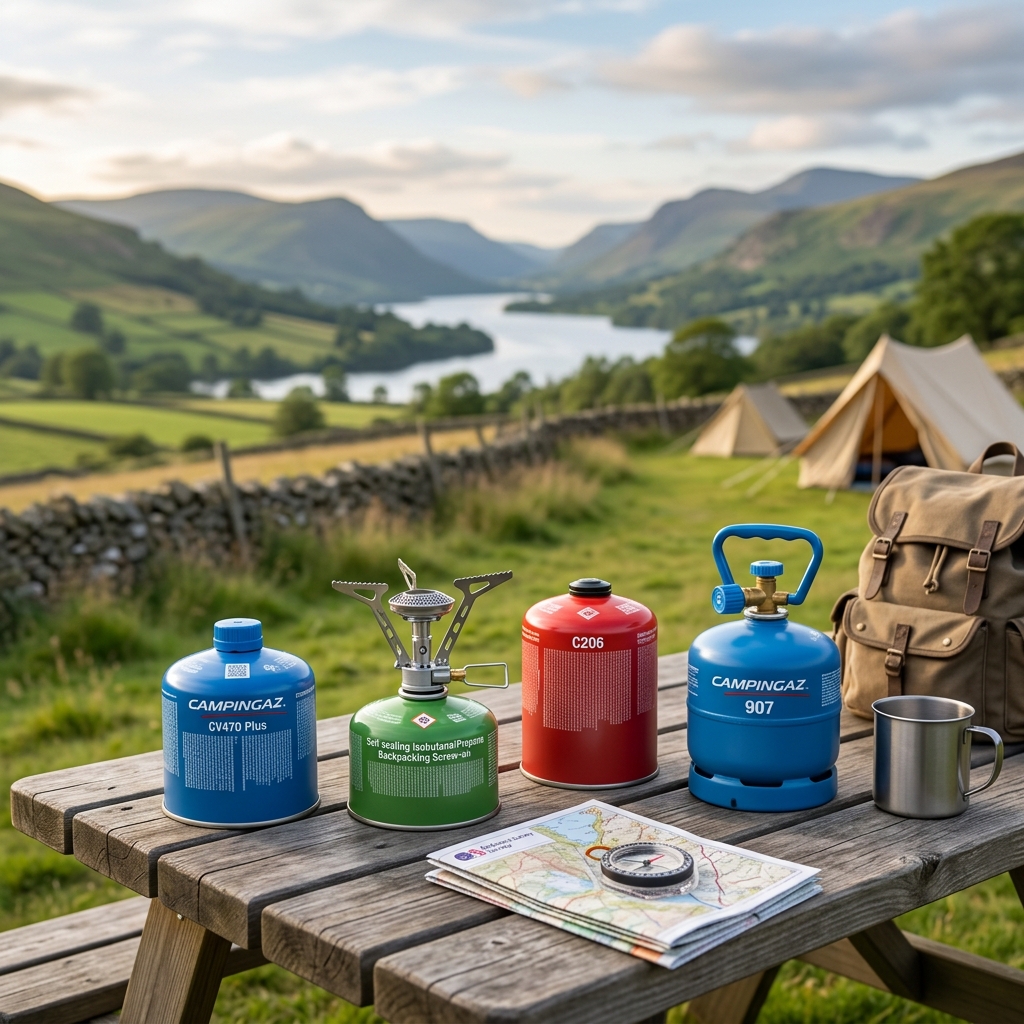
What’s Inside? The Core Gases – Butane, Propane & Isobutane
Butane
Butane (C4H10) is a highly refined gas that excels in warmer temperatures. It provides a clean, consistent burn, making it ideal for indoor stoves and warmer weather camping (typically above 15°C). However, its vapor pressure drops significantly in colder conditions, making it unreliable for use below 10°C. Butane canisters are generally cheaper than propane or isobutane mixtures.
Propane
Propane (C3H8) boasts a much lower boiling point than butane, meaning it vaporises effectively in colder temperatures. It performs well down to around -10°C, making it a popular choice for year-round camping. Propane also delivers a higher pressure than butane, resulting in a more powerful flame. However, propane is slightly less energy-dense than butane, meaning you might use it a little faster. The larger canisters often used for BBQ’s utilise propane.
Isobutane
Isobutane (C4H10) is gaining popularity for its consistent pressure output across a wider temperature range than butane. It performs well in colder temperatures (down to around 0°C) and offers a stable flame. Isobutane is often blended with other gases to take advantage of its properties. It’s a common component in canisters designed for multi-season use.
Gas Blends: The Best of Both Worlds?
Gas blends combine the strengths of different gases to provide a more versatile fuel source. Common blends include:
- Butane/Propane (e.g., 80/20): Good for spring and autumn camping, offering a balance of efficiency and cold-weather performance.
- Isobutane/Propane (e.g., 70/30): Excellent for all-season camping, providing consistent pressure and performance even in colder temperatures. This is a very common blend found in many popular canisters.
- Butane/Isobutane: Ideal for warmer weather where consistent pressure is needed, offering a cleaner burn than pure butane.
Choosing the right blend depends on the expected temperature range of your camping trip. For unpredictable weather, an isobutane/propane blend is generally the safest bet.
Camping Gas Canister Types & Connections: A Visual Guide
There are three main types of camping gas canisters, distinguished by their connection types:
Screw-in Canisters (EN 417 Standard – Lindal Valve)
These are the most common type, widely used with backpacking stoves and smaller camping stoves. They feature a threaded valve (the Lindal valve) that screws directly onto the stove’s regulator. They are typically puncture-resistant and relatively lightweight.
Clip-on Canisters (Bayonet Fitting)
Primarily used with Campingaz stoves and some older models, these canisters attach using a bayonet fitting. They are generally larger than screw-in canisters and often used for family camping and cooking larger meals. Compatibility is limited to stoves specifically designed for this fitting.
POL Canisters
Larger, refillable canisters primarily used for patio heaters and barbecues. They connect using a POL regulator and are not typically used with portable camping stoves, though adapters are available (with caution – see below).
Adapters: Adapters exist to connect between different canister types, but use them with extreme caution. Ensure the adapter is certified and compatible with both the canister and the stove. Incorrectly used adapters can be dangerous.
Choosing the Right Canister for Your Camping Stove
Your stove’s compatibility is paramount. Check your stove’s manual or the manufacturer’s website to determine which canister types it accepts. Some stoves are designed to work with only one type (e.g., screw-in canisters), while others offer more flexibility. Attempting to use an incompatible canister can be dangerous and may damage your stove.
Performance in Cold Weather: A Temperature Comparison
Here’s a comparison of gas performance in different temperatures:
| Gas Type | Optimal Temperature Range (°C) | Performance Below 5°C |
|---|---|---|
| Butane | 15°C – 30°C | Significant pressure drop, unreliable. |
| Propane | 0°C – 20°C | Good performance, but may require more gas. |
| Isobutane | 5°C – 15°C | Reasonable performance, consistent pressure. |
| Isobutane/Propane Blend | -10°C – 20°C | Excellent performance, consistent pressure. |
Safety First: Handling and Storing Camping Gas Canisters
Handling: Always connect and disconnect canisters in a well-ventilated area, away from flames or heat sources. Never attempt to repair a leaking canister. Use a leak detection spray to check for leaks after connecting the canister.
Storing: Store canisters in a cool, dry place, away from direct sunlight and sources of ignition. Keep them upright to prevent gas leakage. Do not store canisters inside vehicles or enclosed spaces. By 2026, we expect more specific guidance on responsible disposal, possibly including designated recycling points.
Ventilation: Always use gas stoves in a well-ventilated area to prevent carbon monoxide build-up.
Disposal: Dispose of empty canisters responsibly. Check with your local council for recycling options. Do not puncture or incinerate canisters.
Cost Comparison: Gas Canister Pricing in the UK (2026)
Prices can fluctuate based on supplier, seasonality, and demand. Here’s a general guide as of 2026:
| Product | Size | Price (GBP) |
|---|---|---|
| Campingaz Bistro 270 Gas Canister | 270g | 6.99 |
| Coleman C500 Gas Cartridge | 450g | 8.49 |
| Primus Power Gas 450g | 450g | 12.99 |
| Jetboil Jetpower Fuel Canister (230g) | 230g | 10.99 |
| Kampa Gas Refillable Canister | 500g (Capacity) | 39.99 |
Eco-Friendly Alternatives & Refillable Canisters
Disposable gas canisters contribute to landfill waste. Refillable canisters offer a more sustainable solution, although the initial investment is higher. The Kampa Gas Refillable Canister (£39.99) allows you to refill with propane or butane from a larger gas source, reducing your environmental impact and potentially saving money in the long run. Emerging technologies are also exploring biofuels as a cleaner alternative, but these are not yet widely available.
Conclusion: Finding the Perfect Gas for Your Camping Trip
Selecting the right camping gas canister requires careful consideration of your stove’s compatibility, the expected weather conditions, and your commitment to sustainability. Prioritize safety by following handling and storage guidelines. For most UK campers, an isobutane/propane blend offers the best all-round performance, particularly given the unpredictable nature of British weather. Remember to check your stove’s specifications and choose a canister that meets your needs for a safe and enjoyable outdoor experience.
FAQ
Q: Can I use a butane canister in cold weather?
A: It’s not recommended. Butane’s vapor pressure drops significantly in cold temperatures, making it unreliable and potentially dangerous. Propane or an isobutane/propane blend are much better choices for colder conditions.
Q: What does EN 417 mean?
A: EN 417 is a European standard for screw-in gas canisters (Lindal valve). It ensures a certain level of safety and compatibility. Ensure your stove and canisters both meet this standard.
Q: Are refillable gas canisters worth the investment?
A: If you camp frequently, a refillable canister can save you money and reduce your environmental impact. The initial cost is higher, but the long-term savings and sustainability benefits can be significant.
Q: How can I check for gas leaks?
A: Use a leak detection spray specifically designed for gas canisters. Spray it onto the connections and look for bubbles. If you detect a leak, immediately disconnect the canister and ventilate the area.
Q: Can I take gas canisters on a plane?
A: No. Gas canisters are strictly prohibited on commercial flights due to safety regulations.