Table of Contents
As an Amazon Associate, we earn from qualifying purchases. This means we may receive a small commission at no extra cost to you when you buy through links on this page.
Introduction: Why Layering is Crucial for Camping
The UK’s weather is notoriously unpredictable. Sunshine one minute, a downpour the next – even during summer! When camping, being prepared for all conditions is paramount. That’s where a well-planned clothing layering system comes in. It’s not just about comfort; it’s about safety. A proper layering system allows you to regulate your body temperature effectively, preventing both hypothermia (dangerously low body temperature) and hyperthermia (dangerously high body temperature). By adding or removing layers, you can adapt to changing conditions and maintain a comfortable core temperature, ensuring a more enjoyable and safe camping experience. Ignoring this can lead to serious health risks, especially when venturing into remote areas.
Understanding the Three Layers: A Breakdown
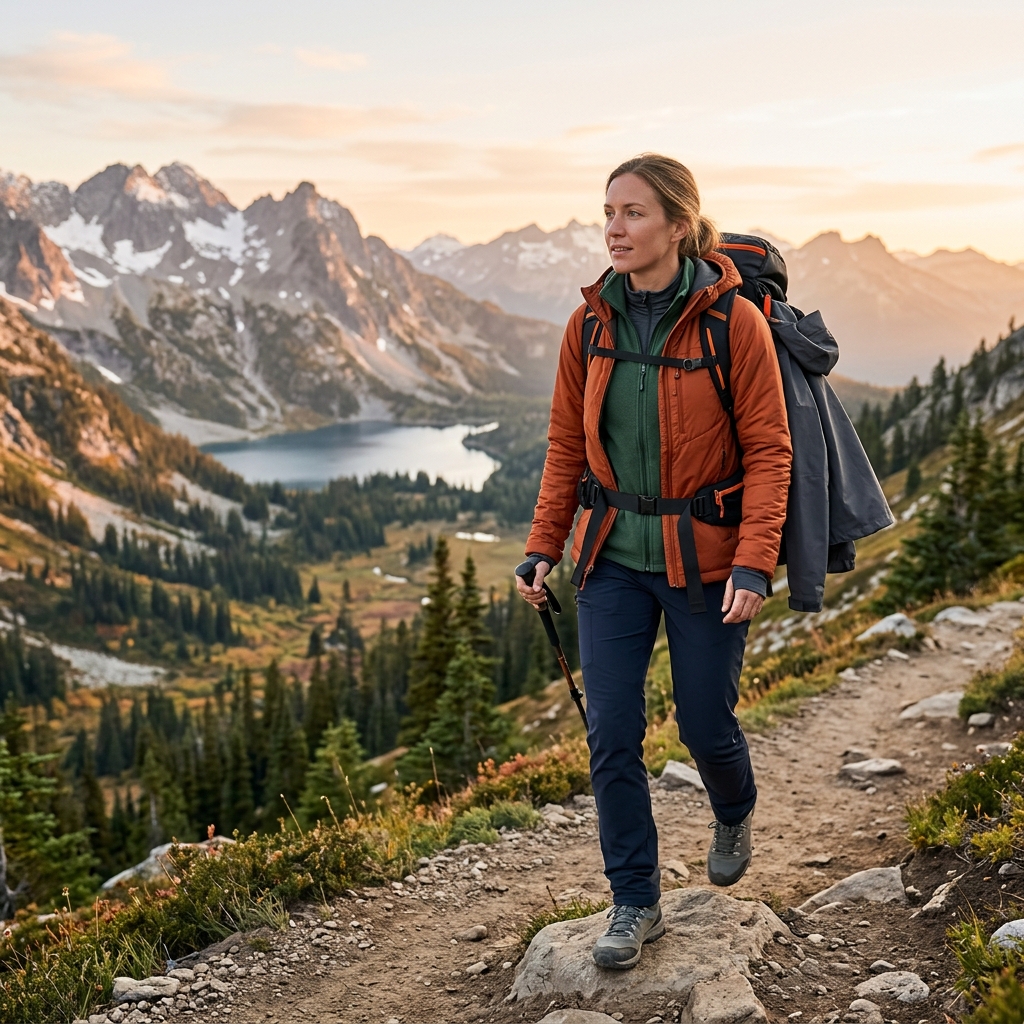
A comprehensive camping clothing layering system consists of three core layers: the base layer, the mid layer, and the outer layer. Each layer plays a distinct role in regulating your body temperature and protecting you from the elements. They work together, not in isolation. The principle is simple: the base layer manages moisture, the mid layer provides insulation, and the outer layer offers protection from wind and rain.
Base Layer: Next-to-Skin Comfort
This is your first line of defence, worn directly against your skin. Its primary function is to wick away sweat and keep you dry, preventing chilling.
Mid Layer: Insulating Warmth
The mid layer traps air to provide insulation, keeping you warm. It builds on the foundation laid by the base layer.
Outer Layer: Weather Protection
The outer layer shields you from wind, rain, and snow. It’s your barrier against the elements, preventing moisture from getting in and heat from escaping.
Base Layers: Moisture Management is Key
The base layer is arguably the most important part of the system. If you get this wrong, you’ll be cold and uncomfortable no matter how expensive your other layers are. The key is choosing materials that excel at moisture-wicking and quick-drying. Here’s a comparison:
| Material | Pros | Cons | Price Range (2026) |
|---|---|---|---|
| Merino Wool | Excellent moisture-wicking, naturally odour-resistant, warm even when wet, comfortable. | More expensive, can be slower to dry than synthetics, requires careful washing. | £80 – £150 |
| Polyester | Affordable, quick-drying, durable, good moisture-wicking. | Can retain odours, not as warm as merino when wet. | £30 – £80 |
| Polypropylene | Excellent moisture-wicking, very quick-drying, lightweight. | Not as comfortable as merino, can retain odours. | £40 – £90 |
Consider the weight of your base layer: lightweight for warmer conditions, midweight for general use, and heavyweight for colder temperatures. The Smartwool Merino 250 Base Layer Top (£90) is a popular choice for its balance of warmth and breathability. The Icebreaker Merino 200 Oasis Crew (£80) is a more budget-friendly option.
Mid Layers: Insulation for Warmth
The mid layer provides the bulk of your warmth. Different options offer varying levels of insulation, breathability, and performance in wet conditions.
| Insulation Type | Pros | Cons | Price Range (2026) |
|---|---|---|---|
| Fleece (Polyester) | Affordable, breathable, relatively quick-drying, warm when dry. | Bulky, loses insulation when wet, not very windproof. | £60 – £150 |
| Down | Excellent warmth-to-weight ratio, highly compressible. | Loses insulation when wet, takes a long time to dry, expensive. | £150 – £350 |
| Synthetic Insulation | Retains some insulation when wet, relatively quick-drying, more affordable than down. | Not as warm as down for the same weight, bulkier than down. | £100 – £250 |
A fleece, like the Patagonia R1 Fleece Pullover (£140), is a versatile option. For colder temperatures, a down jacket such as the Rab Neutrino Pro Down Jacket (£280) provides exceptional warmth. The Mountain Equipment Aerogel Active Insulation Vest (£180) offers targeted warmth without restricting movement.
Outer Layers: Protection from the Elements
Your outer layer is your shield against the weather. Waterproof and windproof jackets and trousers are essential. Key metrics to consider are waterproof rating (measured in mm) and breathability rating (measured in g/m²/24h).
Waterproof Rating: Indicates the amount of water pressure the fabric can withstand before leaking. Higher numbers mean better waterproofing.
Breathability Rating: Indicates how much moisture vapour can pass through the fabric, preventing you from getting soaked from the inside out. Higher numbers mean better breathability.
Popular waterproof membranes include Gore-Tex and proprietary technologies from brands like Berghaus.
| Type | Pros | Cons | Price Range (2026) |
|---|---|---|---|
| Hard Shell | Highly waterproof and windproof, durable. | Less breathable, can be noisy. | £200 – £500 |
| Soft Shell | More breathable, comfortable, good mobility. | Less waterproof than hard shells, not as windproof. | £100 – £300 |
The Arc’teryx Beta AR Jacket (£450) is a premium hard shell offering exceptional protection. The Haglofs L.I.M Waterproof Jacket (£220) provides a more lightweight and affordable option. Berghaus Paclite Waterproof Trousers (£120) are a reliable choice for keeping your legs dry.
Layering for Different Camping Conditions
- Warm Weather Camping (15°C+): Base layer (lightweight), light fleece or t-shirt, waterproof jacket (packable).
- Cool Weather Camping (5-15°C): Base layer (midweight), fleece, lightweight insulated jacket, waterproof jacket and trousers.
- Cold Weather Camping (-5-5°C): Base layer (heavyweight), fleece, down or synthetic insulated jacket, waterproof and windproof outer layers.
- Wet Weather Camping (Any Temperature): Focus on waterproof outer layers. Ensure your base layer is highly moisture-wicking.
Essential Clothing Items Beyond the Layers
Alongside your core layering system, consider these essentials:
- Hat: Essential for retaining body heat.
- Gloves: Protect your hands from the cold.
- Socks: Merino wool or synthetic socks are best. Avoid cotton! SealSkinz Waterproof Socks (£35) are a game-changer in wet conditions.
- Footwear: Waterproof hiking boots are a must-have.
- Sleeping Bag Liner: The Snugpak Softie Expansion 3 Sleeping Bag Liner (£60) can also act as a mid-layer in milder conditions.
Caring for Your Camping Clothes
Proper care extends the life of your gear. Wash base layers and mid layers after each use. Down garments require special detergent and a tumble dryer with tennis balls to restore loft. Waterproof fabrics should be washed with a technical wash and re-proofed regularly. Always follow the manufacturer’s instructions.
Future Trends in Camping Clothing (2026)
The camping clothing industry is constantly evolving. In 2026, we’re seeing increased focus on sustainable fabrics (recycled polyester, plant-based materials), the integration of smart textiles (temperature-regulating fabrics), and advancements in waterproofing technologies (more breathable and durable membranes).
Conclusion: Stay Prepared and Enjoy Your Camping Trip
A well-planned layering system is the key to staying comfortable and safe during your camping adventures. By understanding the purpose of each layer and choosing the right materials for the conditions, you can confidently tackle the unpredictable UK weather. Prioritise comfort, preparedness, and enjoy the great outdoors!
FAQ
Q: Can I use cotton clothing for camping?
A: No. Cotton absorbs moisture and dries slowly, making you cold and increasing the risk of hypothermia. Stick to synthetic fabrics and merino wool.
Q: How often should I wash my base layers?
A: After every use, especially if you’ve been sweating. This prevents odour build-up and maintains the wicking properties.
Q: What is the best way to waterproof my jacket?
A: Use a technical wash to clean it, followed by a waterproofing spray or wash-in treatment specifically designed for waterproof fabrics. Re-proof regularly, especially after heavy use.
Q: How do I know if my waterproof jacket is still effective?
A: If water beads up and rolls off the fabric, it’s still working. If the water soaks in, it’s time to re-proof.
Q: Is it better to have one very warm jacket or multiple thinner layers?
A: Multiple thinner layers are more versatile. They allow you to adjust your insulation level more precisely to changing conditions.