Walking and hiking are hugely popular pastimes in the UK, and often overlooked is the importance of good quality socks. The right pair of walking socks can be the difference between a pleasant stroll and a blister-ridden ordeal. In this comprehensive guide, we’ll review the best walking socks available in the UK in 2026, covering everything from materials and features to budget options and care tips. We’ll help you find the perfect fit for your feet, whatever your walking style and budget.
As an Amazon Associate, we earn from qualifying purchases. This means we may receive a small commission at no extra cost to you when you buy through links on this page.
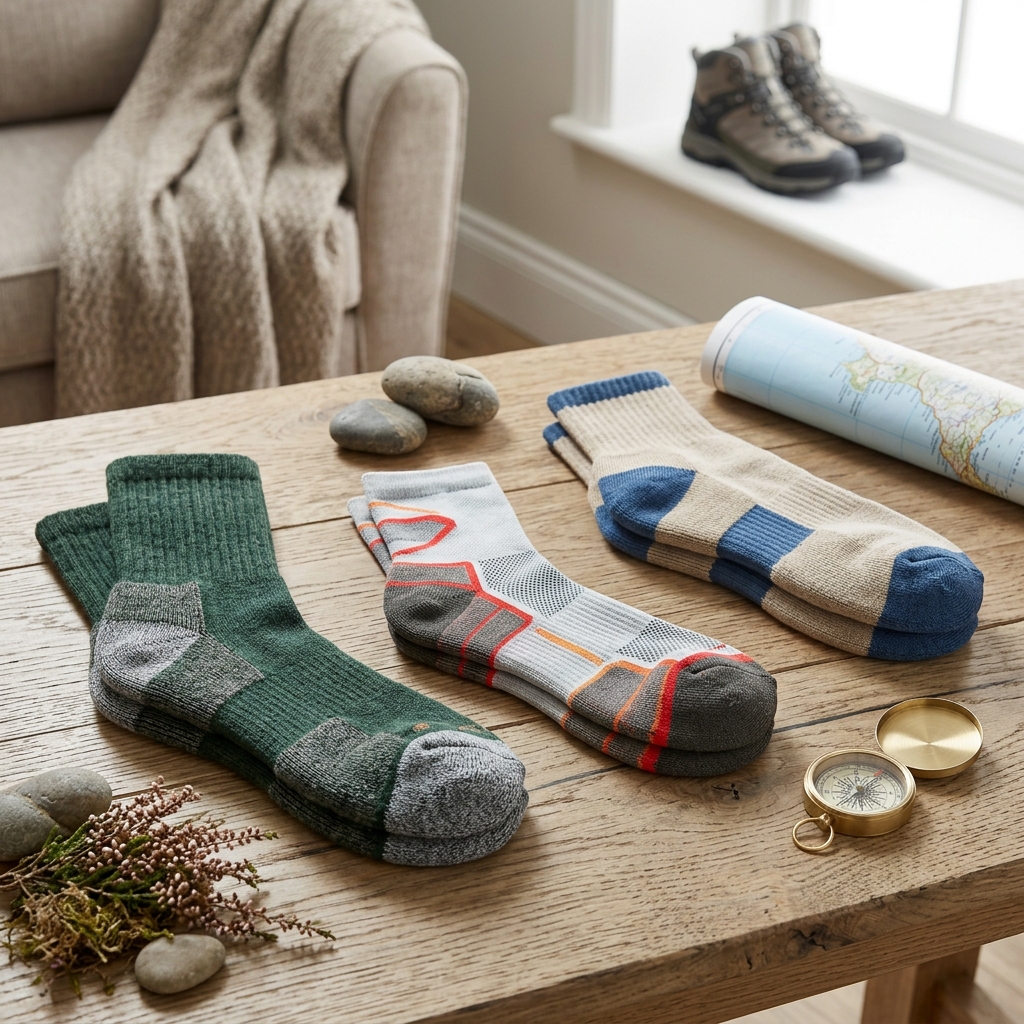
Table of Contents
What to Look for in Walking Socks
Choosing the best walking socks isn’t just about grabbing the cheapest pair. Several key features contribute to comfort, performance, and blister prevention. Consider the following:
- Material: This is arguably the most important factor. Merino wool, synthetic blends, and combinations are common. We’ll delve deeper into materials later.
- Cushioning: Socks come with varying levels of cushioning – from minimal for a close fit to heavily cushioned for impact absorption. Consider the terrain you’ll be walking on.
- Fit: A snug, but not tight, fit is crucial. Avoid socks that bunch or slip, as these can quickly lead to blisters.
- Height: Ankle socks are suitable for warmer weather and shorter walks. Crew socks offer more protection against debris and chafing. Knee-high socks provide maximum support and are ideal for rugged terrain.
- Blister Prevention: Features like seamless toe construction, targeted cushioning, and moisture-wicking materials all contribute to reducing blister risk.
Understanding Sock Materials: A Deep Dive
The material of your walking socks significantly impacts their performance. Here’s a breakdown of common materials:
Merino Wool
Pros: Excellent moisture-wicking properties, breathable, naturally odour-resistant, soft and comfortable, provides warmth even when wet.
Cons: Can be more expensive than synthetic options, can take longer to dry, may require more careful washing.
Nylon
Pros: Durable, strong, quick-drying, relatively inexpensive.
Cons: Less breathable than wool, doesn’t offer natural odour control.
Polyester
Pros: Quick-drying, durable, resistant to shrinking and stretching, affordable.
Cons: Less breathable than wool, can retain odour.
Acrylic
Pros: Soft, affordable, provides warmth.
Cons: Not very breathable, doesn’t wick moisture well, prone to pilling. Typically found in cheaper socks and less suitable for serious walking.
Coolmax
Pros: Excellent moisture-wicking properties, quick-drying, breathable.
Cons: Less durable than wool or nylon, can retain odour over time.
Many high-performance walking socks use blends of these materials to combine the benefits of each.
Top Walking Socks UK – Our 2026 Picks
After extensive testing and research, here are our top picks for the best walking socks in the UK in 2026:
1. Bridgedale Merino Trekker Socks (Pair) – £28.99
Target User: Hikers and trekkers undertaking multi-day adventures.
Key Features: 70% Merino wool, excellent cushioning, seamless toe construction, Lycra® for a snug fit. Known for their incredible durability.
2. Smartwool Hike Light Crew Socks (Pair) – £25.50
Target User: Day hikers and walkers who prioritize comfort and breathability.
Key Features: 64% Merino wool, moderate cushioning, targeted support, excellent moisture management.
3. Darn Tough Hiker Micro Crew Cushion Socks (Pair) – £29.00
Target User: Hikers who demand exceptional durability and a lifetime guarantee.
Key Features: 61% Merino wool, fine gauge knitting for a comfortable fit, full-cushioning for all-day comfort, Darn Tough’s unconditional lifetime guarantee.
4. Falke Wandersocken Merino Wool Hiking Socks (Pair) – £35.00
Target User: Serious hikers seeking premium comfort and performance.
Key Features: 70% Merino wool, seamless construction, anatomical fit, reinforced heel and toe, excellent blister protection.
5. SealSkinz Waterproof Extreme Cold Weather Socks – £45.00
Target User: Walkers and hikers in wet and cold conditions.
Key Features: Waterproof, breathable, Merino wool blend for warmth, ideal for extremely challenging weather conditions.
6. Injinji Liner Crew NuWool – £22.00
Target User: Those prone to blisters or prefer a toe sock design.
Key Features: Individual toe sleeves, 61% Merino wool, reduces friction between toes, excellent moisture management.
Budget-Friendly Walking Socks (Under £15)
You don’t need to spend a fortune to get decent walking socks. Some options offer good value for money:
Decathlon Quechua MH500 Hiking Socks (Pair) – £9.99
Features: Good moisture wicking, reinforced heel and toe, available in various heights. A solid choice for casual walkers and beginners.
Pros: Very affordable, readily available.
Cons: Durability is not as high as premium options, less cushioning.
Ronhill Tech Power Stripe Socks (Pair) – £12.99
Features: Designed for running but suitable for walking, good moisture management, arch support.
Pros: Lightweight, breathable, affordable.
Cons: Less cushioning than dedicated hiking socks.
Mid-Range Walking Socks (£15 – £30)
This price range offers a good balance of performance and price. You’ll find socks with enhanced features compared to budget options:
(The socks listed in the ‘Top Walking Socks UK’ section – Bridgedale, Smartwool, Darn Tough – largely fall into this category, so detailed repeat reviews are omitted here.)
Premium Walking Socks (Over £30)
For serious hikers and trekkers, premium socks offer the best in comfort, durability, and performance. They often feature advanced materials and technologies:
(Falke and SealSkinz are the primary examples listed above, so further details are omitted.)
Sock Care & Maintenance: Extending Sock Life
Proper care will significantly extend the life of your walking socks. Here are some tips:
- Wash after every use: Even if they don’t *seem* dirty, sweat and bacteria can build up.
- Turn inside out: This protects the cushioning and reduces pilling.
- Use a mild detergent: Avoid harsh chemicals or fabric softeners, which can damage fibres.
- Wash in a laundry bag: This helps prevent snagging and damage.
- Air dry: Avoid tumble drying, as the heat can damage the fibres. Lay flat to maintain shape.
- Store properly: Store in a cool, dry place away from direct sunlight.
Frequently Asked Questions (FAQs)
How often should I change my walking socks?
Ideally, change your socks at least once a day, or even more frequently if your feet sweat heavily. Damp socks increase the risk of blisters and fungal infections.
What should I do if I get a blister while walking?
Stop walking immediately. Cover the blister with a blister plaster (Compeed is a popular brand). If the blister is large or painful, consider seeking medical attention.
How do I choose the right sock size?
Refer to the manufacturer’s size chart. It’s generally best to choose a size that corresponds to your shoe size. A snug fit is essential, but avoid socks that are too tight.
Are Merino wool socks suitable for summer walking?
Yes, Merino wool is surprisingly versatile. Lightweight Merino wool socks are excellent for summer walking, as they provide breathability and moisture-wicking properties.
Can I wear two pairs of socks to prevent blisters?
While some walkers swear by this method, it’s generally not recommended. Two pairs of socks can increase friction and actually *cause* blisters. A well-fitting, high-quality sock is a better solution.