Table of Contents
As an Amazon Associate, we earn from qualifying purchases. This means we may receive a small commission at no extra cost to you when you buy through links on this page.
Introduction: Camping in the UK – 2026 Trends
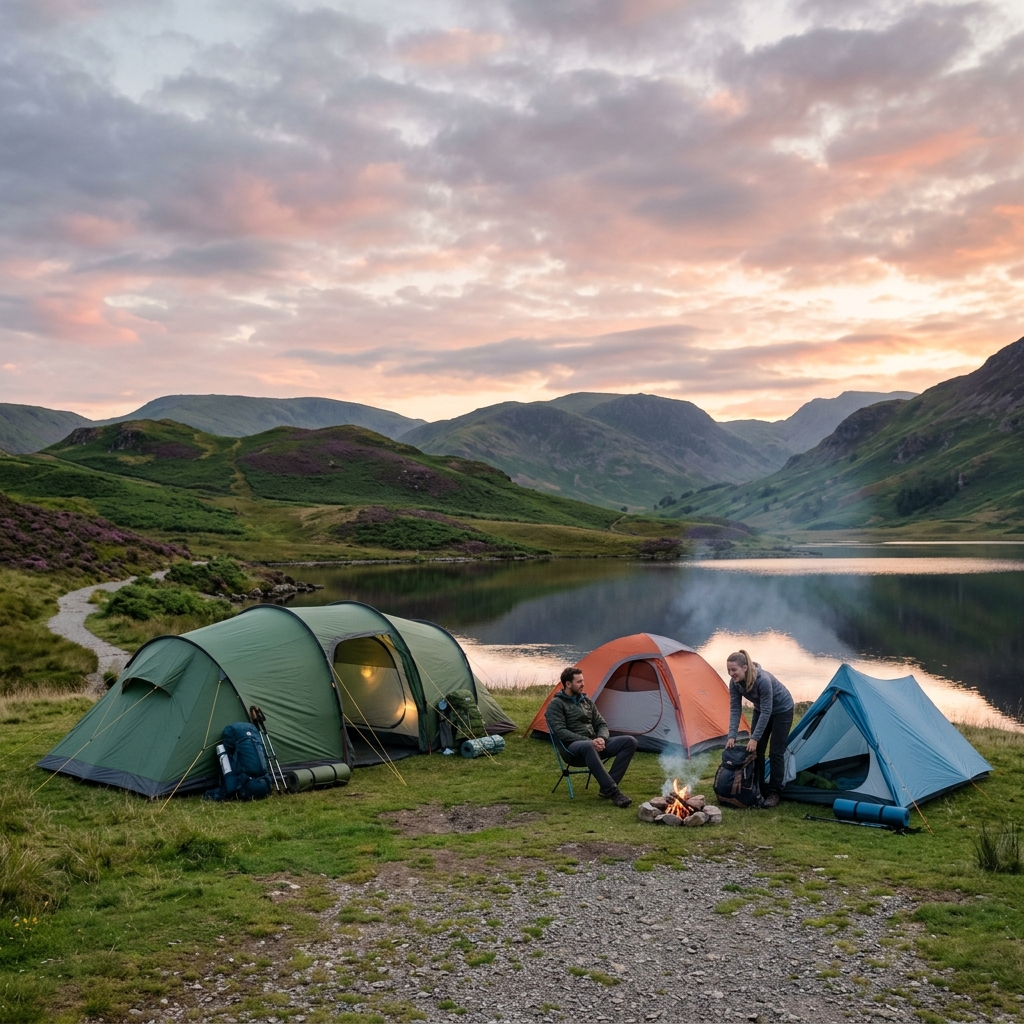
Camping in the UK remains incredibly popular in 2026, fuelled by a desire for staycations, outdoor adventures, and a connection with nature. We’re seeing a surge in diverse camping styles. Traditional family camping holidays at established campsites continue to thrive, but ‘wild camping’ (where permitted) and glamping are experiencing significant growth. Popular destinations include the Lake District, the Scottish Highlands, the Peak District, and the coastal regions of Cornwall and Devon. Sustainability is also a key consideration, with campers increasingly seeking eco-friendly tents and responsible camping practices. In 2026, advancements in tent technology focus on lighter materials, improved waterproofing, and smart tent features like integrated solar charging and temperature control (though these are still premium options). Key considerations for tent buyers in 2026 revolve around balancing weight, space, durability, and budget.
What to Look for in a Camping Tent (2026)
Choosing the right tent can make or break your camping trip. Here’s a breakdown of essential features:
Capacity
Consider how many people will be sleeping in the tent, plus space for gear. It’s generally advisable to size up – a ‘4-person’ tent is comfortable for 2 adults and 2 smaller children, but could feel cramped with 4 adults.
Waterproof Rating (Hydrostatic Head)
Measured in mm, this indicates how much water pressure the tent fabric can withstand before leaking. For the UK climate, aim for at least 3,000mm for the flysheet. Groundsheets should be 5,000mm or higher. In 2026, many tents feature advanced coatings and seam sealing for improved waterproof performance.
Seasonality (3-Season, 4-Season)
3-season tents are designed for spring, summer, and autumn, offering good ventilation and weather protection in moderate conditions. 4-season tents are more robust, built to withstand strong winds and snow loads, making them suitable for winter camping and mountainous terrain.
Weight & Pack Size
Crucial for backpacking and hiking. Lighter tents generally have a higher price tag. Pay attention to the packed size, too, as you’ll need to carry it in your rucksack.
Ease of Setup
Some tents are quick and easy to pitch, while others require more effort. Air tents (inflatable tents) have gained popularity for their ease of setup, but they are generally heavier and more expensive.
Ventilation
Good ventilation prevents condensation buildup inside the tent. Look for vents, mesh panels, and breathable fabrics.
Durability
Consider the fabric denier (D) – a higher number indicates a more durable fabric. Stronger poles (aluminium is generally preferable to fibreglass) also contribute to longevity. In 2026, recycled materials are increasingly used in tent construction, offering a more sustainable option.
Top Camping Tents for Solo Backpackers (2026)
For solo adventurers, weight and packability are paramount.
| Tent Model | Weight | Pack Size | Waterproof Rating (Flysheet) | Price (GBP) | Pros | Cons |
|---|---|---|---|---|---|---|
| Decathlon Forclaz MT500 2 Person Tent | 2.1kg | 55 x 15cm | 3,000mm | £99.99 | Excellent value, lightweight, easy to pitch | Limited headroom, can feel cramped for one |
| Snugpak Scorpion 2 Tent | 2.5kg | 38 x 17cm | 5,000mm | £249.99 | Very durable, excellent weather protection, compact | Heavier than some alternatives, more expensive |
Best Tents for Couples Camping in the UK (2026)
Balancing space, comfort, and portability is key for couples.
| Tent Model | Capacity | Weight | Waterproof Rating (Flysheet) | Price (GBP) | Pros | Cons |
|---|---|---|---|---|---|---|
| Snugpak Scorpion 2 Tent | 2 Person | 2.5kg | 5,000mm | £249.99 | Durable, weatherproof, good for all-season use. | Can be a bit pricey for a 2-person tent. |
| Outwell Nevada MP Tent | 2-3 Person | 6.4kg | 3,000mm | £549.99 | Spacious, good headroom, large porch area | Heavier and bulkier than some options |
Family Camping Tents: Space and Comfort (2026)
Family tents prioritize space, ease of setup, and durability.
| Tent Model | Capacity | Weight | Waterproof Rating (Flysheet) | Price (GBP) | Pros | Cons |
|---|---|---|---|---|---|---|
| Coleman Sundome 6 Person Tent | 6 Person | 8.7kg | 2,000mm | £149.99 | Affordable, easy to set up, spacious | Lower waterproof rating, less durable than premium options |
| Vango Odyssey Air 500 Tent | 5 Person | 18.6kg | 4,000mm | £799.99 | AirBeam technology for easy setup, spacious, durable | Heavy and expensive |
| Outwell Nevada MP Tent | 4-6 Person | 9.8kg | 3,000mm | £549.99 | Spacious, good ventilation, durable | Can be tricky to pitch in strong winds |
Luxury & Glamping Tents: Camping in Style (2026)
For a more luxurious camping experience.
| Tent Model | Capacity | Price (GBP) | Pros | Cons |
|---|---|---|---|---|
| Bell Tent Boutique 4m Cotton Canvas Bell Tent | 4-6 Person | £499.00 | Spacious, aesthetically pleasing, breathable cotton canvas | Heavy, requires more setup time, less waterproof than synthetic tents |
Budget Camping Tents: Affordable Options (2026)
Getting started without breaking the bank.
| Tent Model | Capacity | Price (GBP) | Pros | Cons |
|---|---|---|---|---|
| Coleman Sundome 6 Person Tent | 6 Person | £149.99 | Very affordable, easy to set up | Lower waterproof rating, less durable |
Tent Maintenance & Care: Extending the Life of Your Tent (2026)
Proper care will significantly extend your tent’s lifespan. Always clean your tent after each use, removing dirt and debris. Allow it to dry completely before storing it – never pack a wet tent! In 2026, specialized tent cleaning solutions and waterproofing sprays are readily available from retailers like Millets and Cotswold Outdoor. Seam sealing is also important, especially for older tents. Look for seam sealing kits designed for tent fabrics. Store your tent in a cool, dry place away from direct sunlight.
Where to Buy Camping Tents in the UK (2026)
- Decathlon: https://www.decathlon.co.uk/
- Go Outdoors: https://www.gooutdoors.co.uk/
- Millets: https://www.millets.co.uk/
- Cotswold Outdoor: https://www.cotswoldoutdoor.com/
- Amazon UK: https://www.amazon.co.uk/
- Bell Tent Boutique: https://www.belltentboutique.co.uk/
Conclusion: Choosing the Right Tent for Your Adventure
The “best” camping tent depends entirely on your specific needs and priorities. For solo backpacking, the Decathlon Forclaz MT500 offers exceptional value. Couples seeking comfort and space should consider the Outwell Nevada MP. Families will appreciate the convenience of the Vango Odyssey Air 500 or the affordability of the Coleman Sundome 6. And for a truly luxurious experience, a bell tent from Bell Tent Boutique is hard to beat. Remember to consider capacity, waterproof rating, weight, and ease of setup when making your decision. By carefully evaluating your requirements, you can find the perfect tent to enjoy countless camping adventures across the beautiful landscapes of the UK.
FAQ
Q: What hydrostatic head (waterproof rating) do I need for camping in the UK?
A: A hydrostatic head of at least 3,000mm for the flysheet is recommended for the UK climate. For the groundsheet, aim for 5,000mm or higher.
Q: Are air tents worth the extra money?
A: Air tents are significantly easier to pitch than traditional pole tents, which is a major benefit for families or those who struggle with tent setup. However, they are generally heavier and more expensive.
Q: How do I waterproof my tent?
A: Regularly check the seams of your tent and apply seam sealant as needed. You can also use a tent waterproofing spray to restore the water repellency of the flysheet. Ensure the tent is clean and dry before applying any treatments.
Q: What’s the difference between a 3-season and 4-season tent?
A: 3-season tents are designed for milder weather (spring, summer, autumn) and prioritize ventilation. 4-season tents are built for harsher conditions, including strong winds and snow, and offer greater stability and weather protection.
Q: How should I store my tent when not in use?
A: Always ensure your tent is completely dry before storing it. Store it in a cool, dry place away from direct sunlight. Loosely fold or roll the tent – avoid tight compression to prevent damage.