Table of Contents
As an Amazon Associate, we earn from qualifying purchases. This means we may receive a small commission at no extra cost to you when you buy through links on this page.
Introduction: Why Choose a Backpacking Tent?
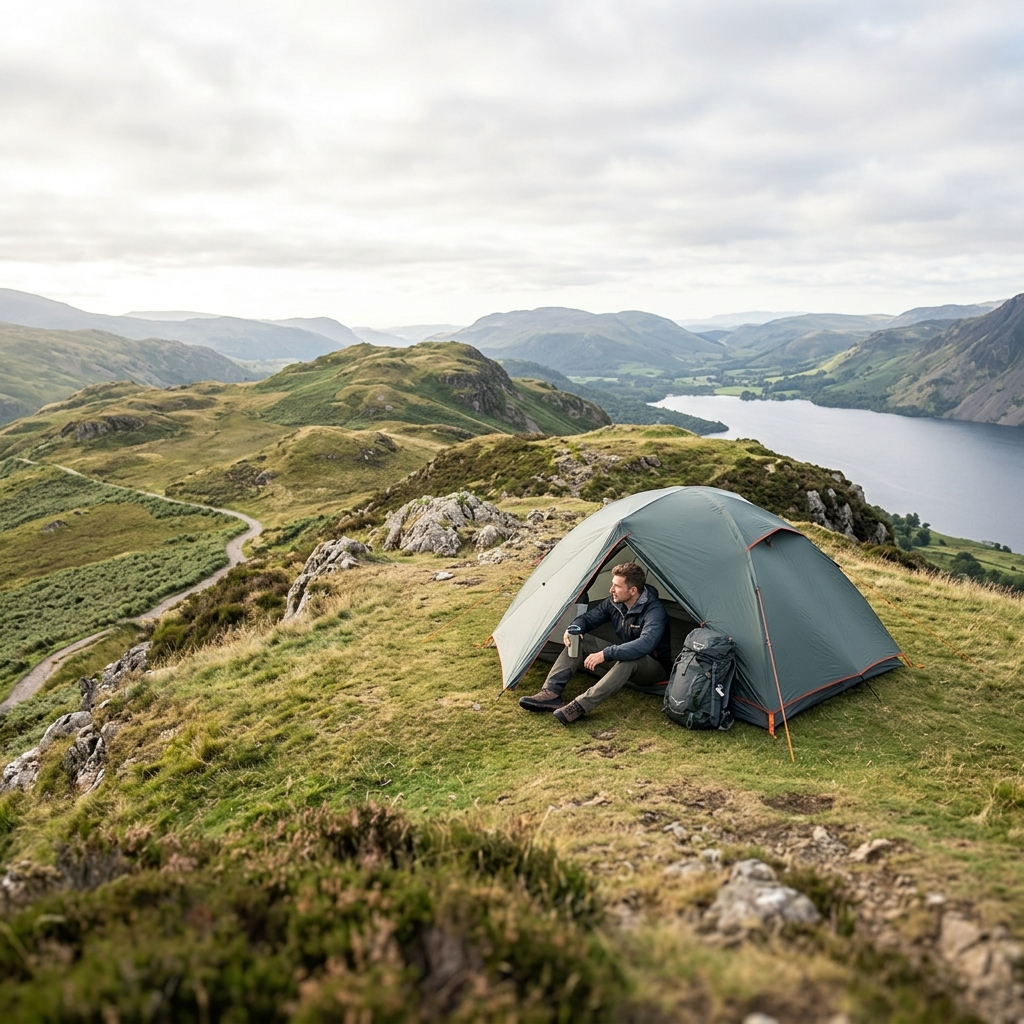
The UK’s stunning landscapes, from the Scottish Highlands to the rolling hills of the Lake District and the rugged coastlines of Cornwall, are attracting more and more backpackers. Unlike traditional camping, backpacking prioritises minimising weight and maximising portability. A dedicated backpacking tent is designed with this in mind – lightweight materials, compact packed sizes, and a focus on efficient space utilisation. They’re essential for multi-day treks where every ounce counts. The increasing popularity of UK backpacking means demand for affordable, reliable tents is high, and thankfully, you don’t need to spend a fortune to get started. This guide focuses on the best backpacking tents available in the UK for under £200 as of 2026.
What to Look for in a Backpacking Tent Under £200
Finding the right backpacking tent under £200 requires careful consideration. You’ll likely need to make some compromises compared to higher-end models, but you can still find a fantastic tent for your needs. Here’s what to look for:
Weight
This is arguably the most crucial factor. Aim for a tent weighing under 2kg for solo backpacking, and ideally under 2.5kg for a two-person tent. Every extra gram adds up over miles!
Capacity (1-Person, 2-Person)
Be realistic about how much space you need. A ‘2-person’ tent can feel quite snug with two adults and gear. Solo backpackers often prefer a 2-person tent for extra comfort and gear storage.
Waterproof Rating (HH)
Measured in Hydrostatic Head (HH), this indicates a tent’s resistance to water pressure. A minimum of 3,000mm HH for the flysheet and 5,000mm HH for the groundsheet is recommended for UK conditions. Expect tents in this price range to be adequately waterproof, but potentially not as robust in prolonged heavy rain as more expensive options.
Ease of Setup
After a long day of hiking, you don’t want to spend hours wrestling with your tent. Look for tents with straightforward pole systems and intuitive designs.
Packed Size
Smaller is better. A compact packed size means the tent takes up less space in your rucksack. Consider tents that come with compression sacks.
Ventilation
Good ventilation is essential to minimise condensation inside the tent. Look for tents with mesh panels and adjustable vents.
Durability
Tents under £200 may use less durable materials than premium models. Pay attention to the denier (D) rating of the fabric – a higher number indicates greater strength. Reinforced stress points are also a good sign.
Potential Compromises
At this price point, you might have to compromise on things like the quality of the poles (aluminium is preferable to fibreglass), the weight, or the overall robustness of the materials. However, many excellent options still provide great value for money.
Top Backpacking Tents Under £200 (2026) – Reviewed
Vango Nitro 200 Tent – £130
Best for: General backpacking, couples looking for a lightweight option.
Pros: Lightweight (1.9kg), relatively easy to pitch, good ventilation, Vango’s Protex 70D fabric offers decent waterproof protection.
Cons: Internal space can be snug for two larger adults, the groundsheet is relatively thin.
Weight: 1.9kg
Capacity: 2-Person
Waterproof Rating: 3,000mm HH (flysheet), 6,000mm HH (groundsheet)
Coleman Cobra 2 Plus Tent – £85
Best for: Budget-conscious backpackers, beginners.
Pros: Extremely affordable, easy to set up, surprisingly spacious for the price.
Cons: Heavier than other options (2.4kg), lower waterproof rating (2,000mm HH), less durable materials.
Weight: 2.4kg
Capacity: 2-Person
Waterproof Rating: 2,000mm HH (flysheet), 3,000mm HH (groundsheet)
Gelert Horizon 2 Tent – £95
Best for: Those needing a bit more headroom.
Pros: Good value for money, offers a bit more internal height, relatively easy to pitch.
Cons: Weight is moderate (2.2kg), waterproof rating is adequate but not exceptional.
Weight: 2.2kg
Capacity: 2-Person
Waterproof Rating: 3,000mm HH (flysheet), 5,000mm HH (groundsheet)
Eurohike Adventurer 200 Tent – £70
Best for: First-time backpackers, occasional use.
Pros: Very affordable, lightweight (1.8kg), easy to pack down.
Cons: Lower quality materials, less durable, limited features.
Weight: 1.8kg
Capacity: 2-Person
Waterproof Rating: 2,000mm HH (flysheet), 3,000mm HH (groundsheet)
Snugpak Scimitar 2 Tent – £160
Best for: Durability, all-weather performance.
Pros: Robust construction, 5,000mm HH waterproof rating, relatively lightweight (2.1kg).
Cons: More expensive than other options, slightly more complex setup.
Weight: 2.1kg
Capacity: 2-Person
Waterproof Rating: 5,000mm HH (flysheet), 5,000mm HH (groundsheet)
Mountain Warehouse Adventurer 2 Person Tent – £60
Best for: Extremely budget conscious, infrequent use.
Pros: Cheapest option, lightweight (1.7kg), compact packed size.
Cons: Very basic materials, low waterproof rating (1,500mm HH), questionable durability.
Weight: 1.7kg
Capacity: 2-Person
Waterproof Rating: 1,500mm HH (flysheet), 3,000mm HH (groundsheet)
Decathlon Forclaz MT500 2-Person Backpacking Tent – £140
Best for: Value, all-round performance.
Pros: Excellent value for money, lightweight (2.3kg), good waterproof rating (3,000mm HH), easy to pitch with pre-bent poles.
Cons: Can feel a little cramped for two adults, inner tent material is relatively thin.
Weight: 2.3kg
Capacity: 2-Person
Waterproof Rating: 3,000mm HH (flysheet), 5,000mm HH (groundsheet)
Comparing the Best Tents: A Quick Table
| Tent Model | Weight (kg) | Capacity | Waterproof Rating (HH) – Flysheet | Price (£) |
|---|---|---|---|---|
| Vango Nitro 200 | 1.9 | 2-Person | 3,000mm | 130 |
| Coleman Cobra 2 Plus | 2.4 | 2-Person | 2,000mm | 85 |
| Gelert Horizon 2 | 2.2 | 2-Person | 3,000mm | 95 |
| Eurohike Adventurer 200 | 1.8 | 2-Person | 2,000mm | 70 |
| Snugpak Scimitar 2 | 2.1 | 2-Person | 5,000mm | 160 |
| Mountain Warehouse Adventurer 2 | 1.7 | 2-Person | 1,500mm | 60 |
| Decathlon Forclaz MT500 | 2.3 | 2-Person | 3,000mm | 140 |
Backpacking Tent Maintenance & Care
Extending the life of your tent is crucial. After each trip:
- Clean it: Remove dirt and debris with a damp cloth.
- Dry it thoroughly: Never pack a wet tent – this encourages mildew.
- Re-waterproof: Apply a tent waterproofing spray (Nikwax Tent & Gear SolarProof is a good UK brand) annually, or as needed.
- Store it properly: Store the tent loosely in a large bag, not tightly compressed.
- Inspect for damage: Check for tears or broken poles and repair them promptly.
Essential Backpacking Accessories
A tent is just one piece of the puzzle. Consider these accessories:
- Footprint: Protects the tent floor from abrasion and moisture.
- Sleeping Bag: Choose a bag rated for the expected temperatures.
- Sleeping Pad: Provides insulation and comfort.
- Headlamp: Essential for navigating in the dark.
- Repair Kit: Include duct tape, needle and thread, and pole splints.
Where to Buy Backpacking Tents in the UK
You can find these tents at a range of retailers:
- Decathlon: Wide range of affordable options.
- Go Outdoors: Good selection and often have sales.
- Millets: Reputable outdoor retailer.
- Vango (Direct): Often best prices on Vango products.
- Online Retailers: Amazon UK, eBay UK.
Conclusion: Finding Your Perfect Tent
Choosing the best backpacking tent under £200 depends on your individual needs and priorities. If weight is paramount, the Vango Nitro 200 or Eurohike Adventurer 200 are excellent options. For budget-conscious backpackers, the Coleman Cobra 2 Plus or Mountain Warehouse Adventurer 2 offer incredible value. The Decathlon Forclaz MT500 strikes a great balance between price, weight, and performance making it our top pick. Consider how often you plan to use the tent, the conditions you’ll encounter, and your personal comfort requirements. With careful research and consideration, you can find a tent that allows you to enjoy the beauty of the UK’s landscapes without breaking the bank.
FAQ
Q: What does HH (Hydrostatic Head) mean?
HH stands for Hydrostatic Head and is a measurement of how waterproof a fabric is. It indicates the amount of water pressure the fabric can withstand before leaking. A higher HH number means better waterproofness.
Q: Is a 1-person or 2-person tent better for solo backpacking?
While a 1-person tent is lighter, many solo backpackers prefer a 2-person tent for the extra space to store gear and move around comfortably.
Q: How do I waterproof my tent?
You can waterproof your tent using a dedicated tent waterproofing spray, available from most outdoor retailers. Apply it to the flysheet and seams after cleaning and drying the tent.
Q: What’s the difference between fibreglass and aluminium poles?
Aluminium poles are lighter, stronger, and more durable than fibreglass poles, but they are also more expensive. Fibreglass poles are more affordable but can be prone to breaking.
Q: How important is ventilation in a tent?
Ventilation is very important. It helps to reduce condensation inside the tent, which can make you cold and uncomfortable. Look for tents with mesh panels and adjustable vents.