Table of Contents
As an Amazon Associate, we earn from qualifying purchases. This means we may receive a small commission at no extra cost to you when you buy through links on this page.
Introduction: Why You Need a Camping Blanket Even in Summer
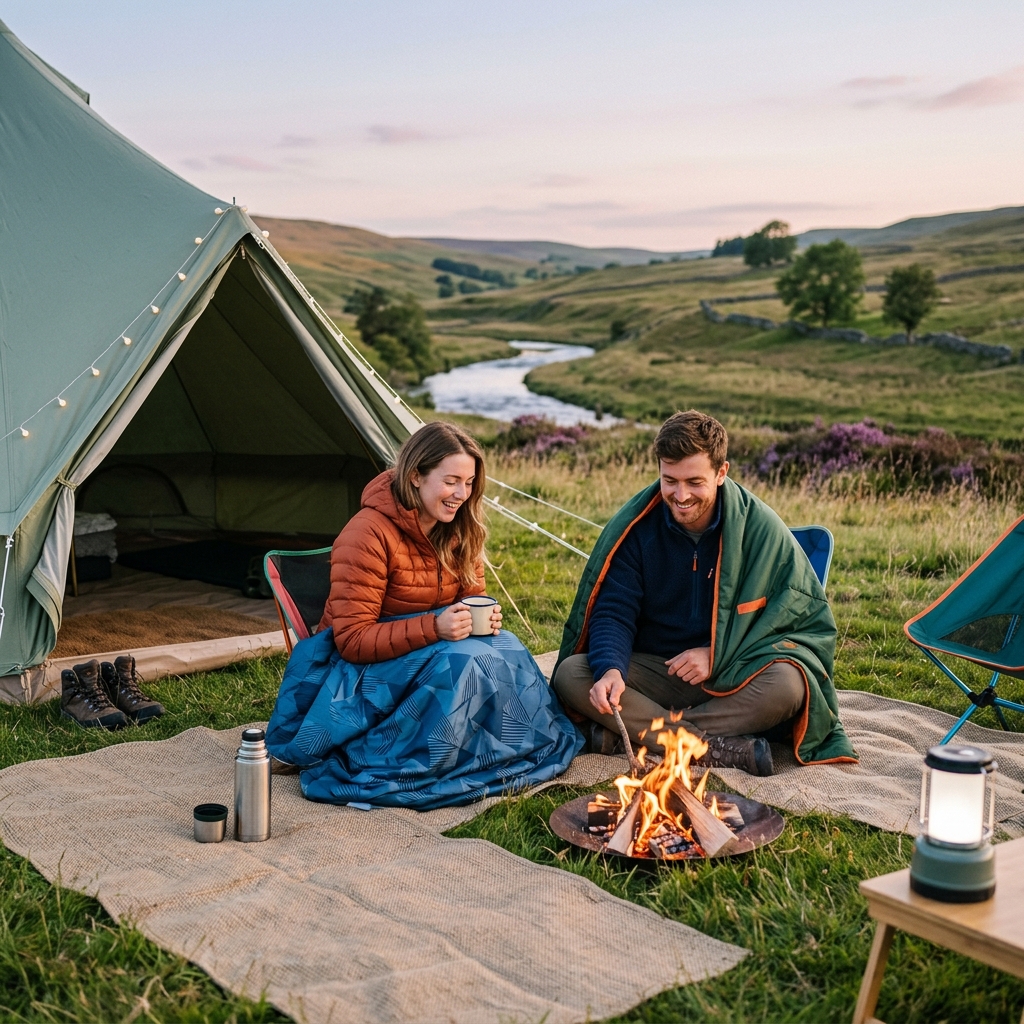
Many campers assume a blanket is only necessary for colder months, but a good camping blanket is a surprisingly versatile piece of kit, even during warm summer nights in the UK. While daytime temperatures might be pleasant, evenings can drop, especially at higher altitudes or near water. A blanket offers an extra layer of comfort against the chill, particularly when sitting around the campfire. Beyond simply providing warmth, a camping blanket can act as a barrier against damp ground, offer a degree of insect protection when draped around you, and generally enhance your overall camping experience. Modern camping blankets have evolved beyond simply being a source of heat; they’re now designed for packability, breathability, and even multi-functional use.
Understanding Camping Blanket Materials
The material of your camping blanket significantly impacts its performance. Here’s a breakdown of common options:
Fleece (Polyester & Microfleece)
Pros: Affordable, lightweight, quick-drying, relatively durable. Microfleece is softer and more compact than standard polyester fleece. Excellent for adding a comfortable layer without significant weight.
Cons: Can pill with wear, not particularly breathable (can overheat in warmer conditions), susceptible to static, and less eco-friendly compared to natural fibres.
Best for: Budget-conscious campers, warmer summer nights, general campsite comfort.
Cotton
Pros: Breathable, comfortable, natural fibre, relatively inexpensive.
Cons: Heavy when wet, slow drying, bulky, less durable than synthetic options. Not ideal for unpredictable UK weather.
Best for: Dry summer camping, comfortable lounging around the campsite.
Wool
Pros: Naturally warm even when wet, breathable, odour-resistant, sustainable, durable. Merino wool is exceptionally soft and less itchy.
Cons: Can be expensive, heavier than synthetic options, requires careful washing, some people find it itchy (though merino is significantly better).
Best for: Campers who prioritise warmth and natural materials, cooler summer evenings, and multi-day trips.
Synthetic Fills (e.g., PrimaLoft)
Pros: Lightweight, packable, warm even when wet, quick-drying. Offers a good balance of warmth and weight.
Cons: Can be more expensive than fleece, less breathable than natural fibres, not as sustainable as wool or cotton.
Best for: Backpacking, unpredictable weather, campers needing a compact and warm option.
Blends
Pros: Often combine the benefits of different materials, offering a compromise between cost, performance, and comfort. For example, a cotton-polyester blend can improve durability and reduce drying time compared to pure cotton.
Cons: Performance varies depending on the blend ratio.
Best for: Campers looking for a balanced option.
Key Features to Look For in a Summer Camping Blanket
When choosing a camping blanket for summer nights, consider these features:
- Size: Think about how you’ll use the blanket. A larger blanket is good for sharing or wrapping up completely, while a smaller one is more packable.
- Weight: Crucial for backpacking. Lighter is better, but balance weight with warmth and comfort.
- Packability: How small can the blanket compress? Look for blankets that come with a compression sack.
- Water Resistance/Repellency: A water-repellent finish can protect against light drizzle or damp ground. Full waterproofing isn’t usually necessary for summer camping.
- Washability: Easy cleaning is a must. Check the care label before purchasing.
- Durability: Look for reinforced stitching and robust materials to withstand repeated use.
- Breathability: Essential for summer to prevent overheating. Natural fibres and some synthetic blends offer better breathability.
- Anti-static Properties: Reduces cling and discomfort, particularly with fleece blankets.
Top Camping Blankets for Summer Nights – Our 2026 Picks
Here’s a selection of camping blankets available in the UK market, catering to different needs and budgets:
Our Top Pick: Mountain Equipment Starlight Blanket (£85.00)
The Mountain Equipment Starlight is a fantastic all-rounder, offering a great balance of warmth, weight, and packability. Its synthetic fill provides reliable insulation even in damp conditions, and it’s surprisingly breathable for a synthetic blanket.
| Feature | Snugpak Softie 3 Expansion Blanket | Vango Latitude 200 Blanket | Mountain Equipment Starlight Blanket | Rambler Merino Wool Blanket | Quechua Fleece Blanket (Decathlon) | ALPS Mountaineering Fleece Blanket | Therm-a-Rest Trekker Blanket |
|---|---|---|---|---|---|---|---|
| Price | £69.99 | £45.00 | £85.00 | £120.00 | £25.00 | £50.00 | £90.00 |
| Material | Softie Polyester | Polyester Fleece | Synthetic Fill (PrimaLoft Micro) | 100% Merino Wool | Polyester Fleece | Polyester Fleece | Synthetic Fill |
| Weight | 750g | 600g | 680g | 900g | 450g | 800g | 500g |
| Size | 190 x 75cm | 180 x 130cm | 190 x 75cm | 150 x 200cm | 150 x 100cm | 183 x 132cm | 193 x 91cm |
| Pack Size | Small Compression Sack | Bulky | Medium Compression Sack | Large | Compact | Moderate | Small Compression Sack |
Best Budget: Quechua Fleece Blanket (Decathlon) (£25.00)
A fantastic option for those on a tight budget. Lightweight and packable, it provides a basic layer of warmth for warmer nights.
Best for Backpacking: Therm-a-Rest Trekker Blanket (£90.00)
Designed specifically for backpacking, this blanket is incredibly lightweight and packs down small. Its synthetic fill provides good warmth-to-weight ratio.
Best Premium: Rambler Merino Wool Blanket (£120.00)
For ultimate comfort and breathability, the Rambler Merino Wool Blanket is a luxurious choice. It’s warm, odour-resistant, and perfect for cooler summer evenings.
Good All-Rounder: Snugpak Softie 3 Expansion Blanket (£69.99)
The Snugpak Softie 3 is a reliable and versatile blanket offering warmth and packability at a reasonable price.
Solid Choice: ALPS Mountaineering Fleece Blanket (£50.00)
A dependable fleece blanket that’s durable and provides decent warmth for its price point.
Value Option: Vango Latitude 200 Blanket (£45.00)
A simple, affordable fleece blanket suitable for basic campsite comfort. It’s not the most packable option, but good value for money.
Camping Blanket Care & Maintenance
Proper care will extend the life of your camping blanket:
- Washing: Follow the care label instructions. Generally, fleece and synthetic blankets can be machine washed on a gentle cycle with mild detergent. Wool blankets usually require hand washing or a delicate machine cycle.
- Drying: Tumble dry on low heat or air dry. Avoid high heat, as it can damage synthetic fibres.
- Storage: Store in a breathable bag or container. Avoid compressing for extended periods, as this can reduce loft in synthetic fills.
- Repair: Small tears can be repaired with a needle and thread or fabric patches.
Staying Comfortable: Layering with Your Camping Blanket
A camping blanket is most effective when used as part of a layering system. Here’s how to maximise comfort:
- Base Layer: Wear moisture-wicking base layers to stay dry and comfortable.
- Insulating Layer: A fleece jacket or lightweight down jacket adds extra warmth.
- Camping Blanket: Use the blanket as an outer layer for additional insulation.
- Sleeping Mat: A good sleeping mat provides insulation from the cold ground.
Conclusion: Choosing the Right Camping Blanket for Your Summer Adventures
The best camping blanket for you depends on your individual needs and camping style. If you’re a budget-conscious camper, the Quechua Fleece Blanket is a great choice. For backpacking, the Therm-a-Rest Trekker Blanket offers a fantastic balance of weight and warmth. If comfort and breathability are your priorities, the Rambler Merino Wool Blanket is worth the investment. And for a reliably good all-rounder, the Mountain Equipment Starlight Blanket is our top pick. Consider the materials, features, and your intended use to choose a blanket that will keep you comfortable and enjoying your summer camping adventures in the UK.
FAQ
Q: Do I really need a blanket if I have a sleeping bag?
Yes! A blanket adds extra versatility. It’s great for lounging around the campsite, providing an extra layer of warmth on unexpectedly chilly nights, or sharing with a companion.
Q: How important is water resistance in a summer camping blanket?
While full waterproofing isn’t essential, a water-repellent finish is beneficial to protect against light drizzle or damp ground. It can make a big difference in comfort.
Q: What’s the best way to clean a merino wool blanket?
Merino wool typically requires hand washing with a wool-specific detergent or a delicate machine cycle. Avoid hot water and tumble drying.
Q: How do I compress my camping blanket for backpacking?
Many blankets come with a compression sack. Pack the blanket tightly and use the straps to compress it. Alternatively, rolling the blanket tightly can also save space.
Q: Is a fleece blanket warm enough for summer nights in the UK?
For many summer nights, yes. However, if you’re camping at higher altitudes or near water, or are prone to feeling cold, a blanket with a synthetic fill or wool will provide more warmth.