
Table of Contents
As an Amazon Associate, we earn from qualifying purchases. This means we may receive a small commission at no extra cost to you when you buy through links on this page.
Understanding Tent Ventilation: Why It Matters
Camping in the UK is a fantastic experience, but it often comes with the challenge of condensation. This isn’t simply a comfort issue; it impacts your sleep quality and the longevity of your tent. Condensation forms when warm, moist air inside your tent comes into contact with the cooler surfaces of the tent fabric. Your breath, body heat, and even damp gear contribute to this moisture. Without adequate ventilation, this moisture builds up, leading to a damp, uncomfortable environment. Poor ventilation can also encourage mould and mildew growth, potentially damaging your tent and posing health risks. Effective airflow removes this moisture-laden air, keeping your tent dry and comfortable. A good night’s sleep is a key part of enjoying the outdoors, and ventilation plays a huge role in achieving that.
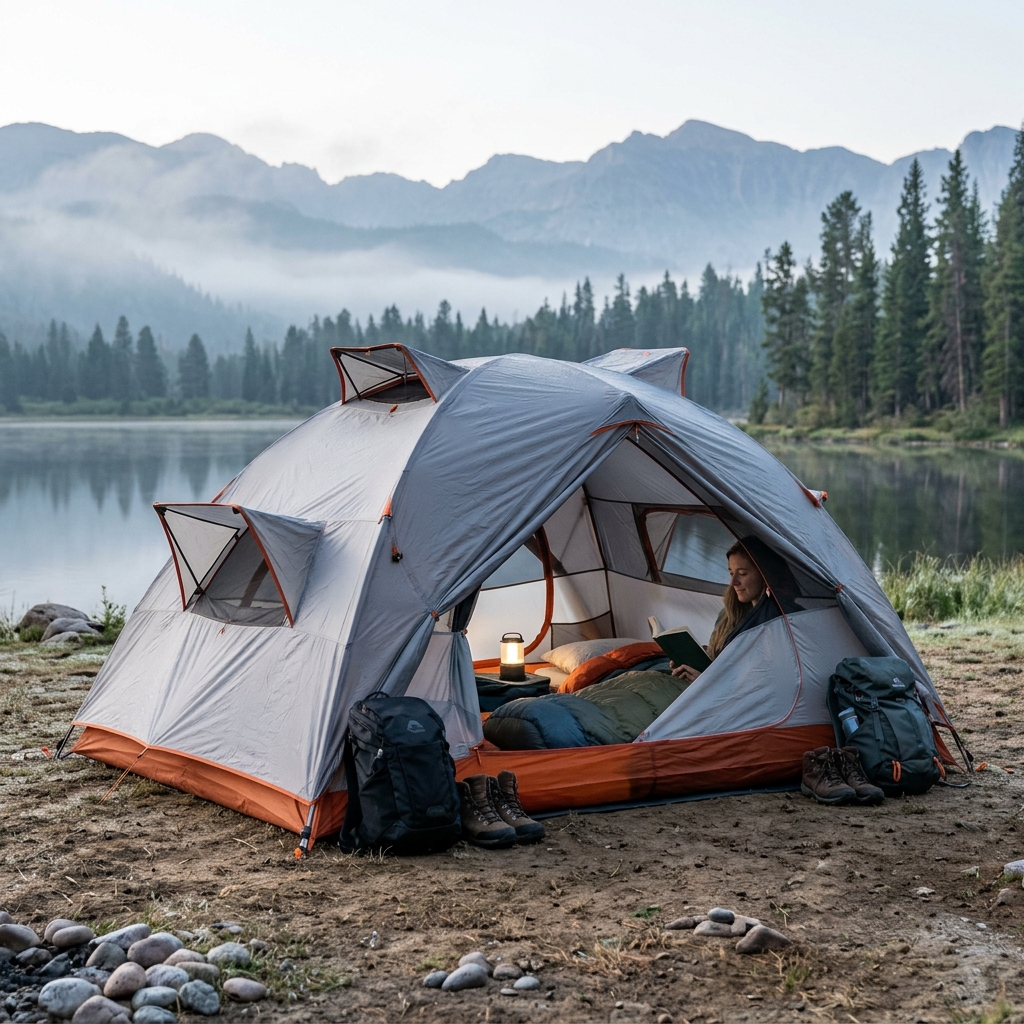
Common Tent Ventilation Problems
Campers frequently encounter several ventilation issues:
- Condensation Build-Up: The most common problem, visible as water droplets on the tent walls.
- Stuffiness: A feeling of being unable to breathe easily inside the tent, especially at night.
- Lack of Airflow: A stagnant atmosphere that can make the tent feel hot and uncomfortable.
These issues often stem from tent design flaws. Smaller tents naturally have less airflow. Poorly placed vents – too low to the ground, or obstructed by the tent’s structure – are ineffective. Tents with limited mesh panelling also restrict airflow. Some older designs simply didn’t prioritise ventilation as much as modern tents do.
Simple Ventilation Fixes You Can Try Immediately
Before investing in accessories, several quick fixes can drastically improve ventilation:
- Open Vents Fully: Ensure all vents are fully open, even if it’s a little chilly.
- Adjust Guylines: Slightly loosening guylines can create more space between the tent fabric and the ground, improving airflow.
- Strategic Door Flaps: Utilise door flaps with mesh panels. Even partially opening the door can provide significant ventilation.
- Tent Positioning: Position your tent to face into the prevailing wind (but be mindful of strong gusts!). Avoid pitching in depressions where cold air can settle.
Upgrading Your Tent Ventilation: Vent Types & Features
Modern tents incorporate various ventilation features:
- High/Low Vents: These create a convection current, drawing cool air in from below and expelling warm air from above.
- Mesh Panels: Allow airflow while keeping insects out. Larger mesh panels are more effective.
- Adjustable Vents: Offer flexibility to control airflow based on weather conditions.
- Roll-Up Doors & Windows: Fully opening these provides maximum ventilation.
- Full Mesh Panels: Commonly found in summer tents, providing excellent airflow but less protection from the elements.
3-Season vs. 4-Season Tents: 3-season tents prioritise ventilation for warmer weather, featuring more mesh and lighter fabrics. 4-season tents balance ventilation with weather protection, often having fewer vents but more robust materials.
Ventilation Accessories: Boost Your Airflow
For instances where your tent’s built-in ventilation isn’t enough, accessories can help.
Comparison of Ventilation Accessories (2026)
| Accessory | Price (GBP) | Pros | Cons |
|---|---|---|---|
| Vango Breeze 12V Fan | £29.99 | Effective airflow, can be powered from a power bank or campsite hookup. | Requires power source, can be noisy. |
| Coleman Weathershield Tent Carpet | £34.99 | Reduces ground moisture, improving overall tent environment. | Adds weight, requires cleaning. |
| Snugpak Tent Heat Reflector | £19.99 | Reflects body heat away from tent walls, reducing condensation. | Limited impact in very humid conditions. |
Choosing a Well-Ventilated Tent: Key Features to Look For (2026)
When purchasing a new tent, prioritise ventilation. Consider these features:
- Tent Shape: Dome tents generally have better airflow than tunnel tents, due to their shape facilitating air circulation.
- Fabric Breathability: Look for tents with breathable fabrics like cotton-polyester blends.
- Vent Quantity & Placement: More vents, strategically placed (high and low), are crucial.
Popular 2026 Tent Models (Known for Ventilation):
- Outwell Cloud 5 Tent (£499.99): Features multiple adjustable vents, large mesh panels, and a spacious interior for excellent airflow.
- Quechua NH100 2 Person Pop-Up Tent (£79.99): While budget-friendly, this tent includes well-placed mesh for basic ventilation, suitable for fair-weather camping.
DIY Tent Ventilation Improvements
Disclaimer: Modifying your tent can void the warranty. Proceed with caution and ensure any modifications are safe and won’t compromise the tent’s structural integrity.
If you’re feeling handy, you can improve ventilation in existing tents:
- Adding Mesh Panels: Carefully sew mesh panels into existing vent openings (use a durable, insect-proof mesh).
- Modifying Vent Openings: Enlarge existing vents (again, with durable mesh and careful sewing).
Important: Always reinforce seams after making any modifications to prevent tearing.
Maintaining Tent Ventilation: Cleaning & Care
Regular maintenance ensures your tent’s ventilation system remains effective:
- Clear Debris: Regularly check and clear vents of leaves, dirt, and insects.
- Cleaning: Clean your tent thoroughly after each camping trip, paying attention to vents and mesh panels. Use a mild detergent and lukewarm water.
- Storage: Store your tent completely dry in a well-ventilated area to prevent mould and mildew growth. Do not store it packed away for long periods.
FAQ
Q: Is condensation always a sign of a bad tent?
Not necessarily. Some condensation is inevitable, especially in colder weather. However, excessive condensation indicates poor ventilation or a design flaw.
Q: Can a tent carpet really help with condensation?
Yes, a tent carpet (like the Coleman Weathershield) reduces ground moisture, which is a major contributor to condensation. It acts as a barrier between the tent floor and damp ground.
Q: Are battery-powered fans worth the investment?
For hot and humid conditions, a small 12V fan (like the Vango Breeze) can be incredibly helpful. They provide directed airflow and can significantly improve comfort, however, they do require a power source.
Q: What’s the best way to dry out a damp tent quickly?
Pitch the tent in a well-ventilated area and allow it to air dry completely. A fan can speed up the process. Avoid packing a damp tent away, as this will lead to mould and mildew.
Q: How important is tent fabric when it comes to ventilation?
Very important. Breathable fabrics allow moisture vapour to escape, reducing condensation build-up. Look for tents that use materials designed for breathability.