Table of Contents
As an Amazon Associate, we earn from qualifying purchases. This means we may receive a small commission at no extra cost to you when you buy through links on this page.
Introduction: The Joy of Camping in the UK
The UK offers a stunning diversity of landscapes, from the rugged peaks of Scotland to the rolling hills of the Lake District and the dramatic coastlines of Cornwall. It’s no surprise that camping is booming in popularity, providing an accessible and affordable way to experience our beautiful countryside. For 2026, we’re seeing a continued rise in ‘glamping’ – luxurious camping with amenities like comfortable beds and private bathrooms – alongside a growing emphasis on sustainable camping practices. More people than ever are seeking to disconnect from the digital world and reconnect with nature, and camping provides the perfect opportunity to do just that. This guide will walk you through everything you need to know to plan a successful and enjoyable camping trip.
Step 1: Choosing Your Campsite
The first step to a great camping trip is selecting the right campsite. You have a few options:
- Wild Camping: Legality varies across the UK. It’s generally permitted in Scotland under the Land Reform (Scotland) Act 2003, but requires responsible behaviour. In England and Wales, it’s mostly illegal without landowner permission.
- Commercial Campsites: These offer a range of facilities, from basic pitches to fully-serviced spots with electricity and Wi-Fi.
- Family-Friendly Campsites: Often feature playgrounds, kids’ clubs, and organised activities.
- Adult-Only Campsites: Provides a quieter, more peaceful experience.
Useful resources for finding campsites include:
Consider accessibility, the facilities offered (showers, toilets, electricity hook-ups, laundry), and the location. National Parks like the Peak District or the New Forest, and coastal areas like Dorset or Devon are popular choices.
Step 2: When to Go – Best Time for Camping in the UK
The best time for camping in the UK depends on your preferences. Here’s a seasonal overview:
- Spring (April-May): Wildflowers are blooming, the weather is warming up, and campsites are less crowded. Expect occasional showers.
- Summer (June-August): The warmest months, but also the busiest and most expensive. Book well in advance. Heatwaves are becoming more frequent, according to climate predictions, so be prepared for very warm temperatures.
- Autumn (September-October): Beautiful autumnal colours, fewer crowds, and milder temperatures. Expect more rain and potentially strong winds.
- Winter (November-March): Camping is possible, but requires more preparation for cold weather and potential storms. Many campsites are closed during this period.
2026 Weather Considerations: Climate models predict a continuation of warmer summers and wetter winters, with increased frequency of extreme weather events. Always check the forecast before your trip and be prepared for all conditions.
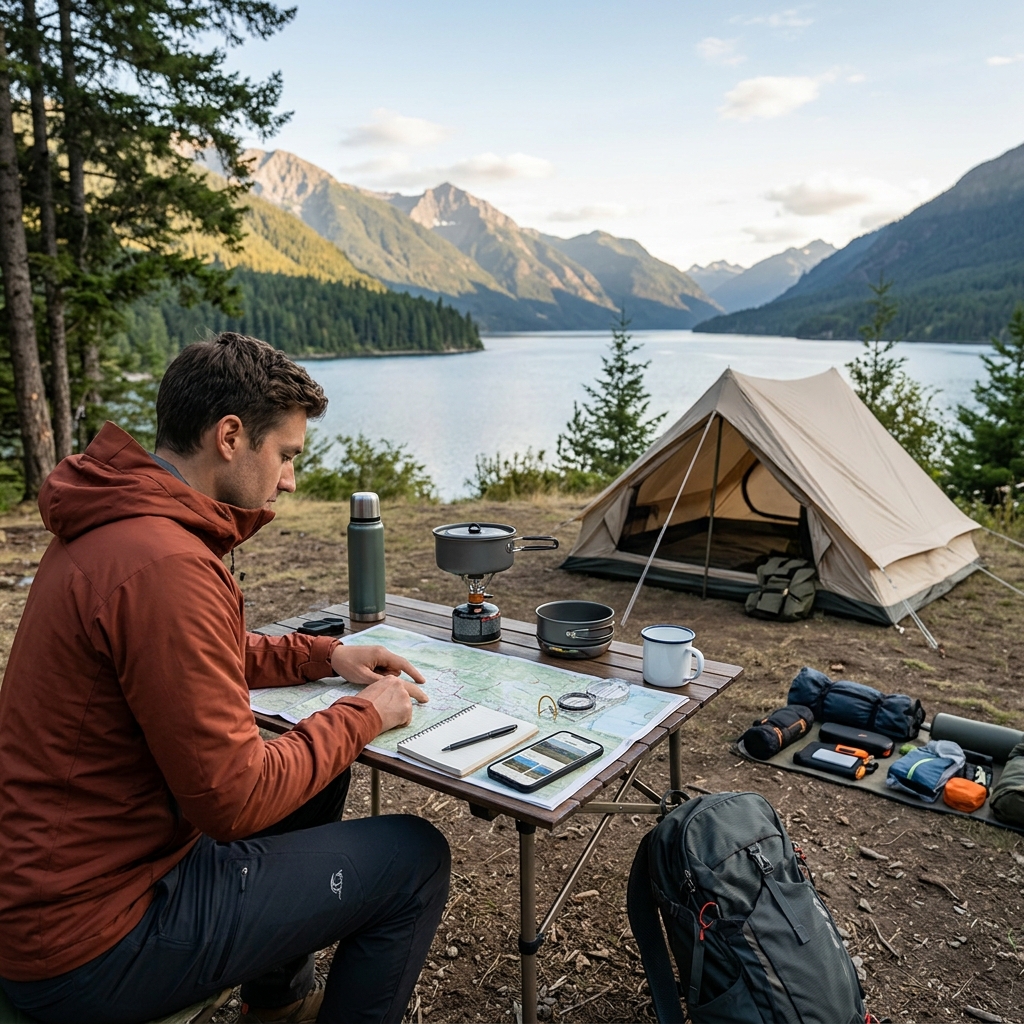
Step 3: Gear Up – The Essential Camping Checklist
Having the right gear is crucial for a comfortable and safe camping trip. Here’s a breakdown of essentials, recommended items, and luxuries:
| Category | Essential | Recommended | Luxury |
|---|---|---|---|
| Shelter & Sleep | Vango Soul 200 Tent – £189.99, Snugpak Softie 3 Season Sleeping Bag – £129.99, Therm-a-Rest ProLite Apex Sleeping Mat – £159.99 | Tent footprint, Pillow | Inflatable mattress, Camp bed |
| Cooking & Food | Coleman LXE 2 Burner Stove – £69.99, Cooking pot, Utensils, Plates/bowls | Cool box, Camp kitchen stand | Portable BBQ, Camp oven |
| Lighting & Navigation | Petzl Actik Core Headlamp – £54.99, OS Maps Ordnance Survey Explorer Map – £9.99 | Lantern, Power bank | GPS device, Solar charger |
| Safety & First Aid | Lifeventure First Aid Kit – £29.99, Whistle | Emergency blanket, Repair kit | Personal Locator Beacon (PLB) |
| Clothing & Personal | Waterproof jacket, Hiking boots, Layers of clothing | Warm hat, Gloves, Sunscreen | Camp shoes, Comfortable chair |
| Other | Hydro Flask 1L Water Bottle – £45.00, Rubbish bags | Insect repellent, Toiletries | Portable speaker, Books |
Step 4: Food & Cooking – Campfire Cuisine & Beyond
Camping food doesn’t have to be complicated! Here are some ideas:
- Easy Meals: Pasta with sauce, sausages and mash, beans on toast, wraps.
- Cooking Methods: Camp stoves are convenient, campfires are traditional (check campsite rules!), and portable BBQs offer versatility.
- Food Safety: Keep perishable food cool in a cool box with ice packs. Cook food thoroughly.
- Waste Minimisation: Pack food in reusable containers. Avoid single-use plastics.
- Meal Kits: Pre-prepared meal kits are increasingly popular, saving time and effort.
Consider the BioLite CampStove 2+ (£249.99) which can cook your food and charge your devices using biomass.
Step 5: Safety First – Staying Safe Outdoors
Safety is paramount when camping:
- Weather Awareness: Check the forecast regularly and be prepared for changes.
- Fire Safety: Only light fires in designated areas and follow campsite rules. Never leave a fire unattended.
- Wildlife Precautions: Store food securely to avoid attracting animals. Be aware of local wildlife.
- First Aid Knowledge: Know basic first aid and carry a comprehensive first aid kit.
- Emergency Procedures: Know what to do in an emergency.
- Communication: Let someone know your plans and expected return time. Mobile phone signal can be unreliable in remote areas.
- Power Solutions: Consider a Goal Zero Nomad 20 Solar Panel (£179.99) to keep your devices powered.
Step 6: Campsite Etiquette – Being a Responsible Camper
Respecting the environment and other campers is essential:
- Leave No Trace: Pack out everything you pack in.
- Respect Wildlife: Observe from a distance and do not disturb their habitat.
- Noise Levels: Keep noise to a minimum, especially late at night.
- Waste Disposal: Use designated waste bins and recycling facilities.
- Sustainable Camping: Choose eco-friendly products and minimise your environmental impact.
- 2026 Environmental Considerations: Be particularly mindful of water conservation and reducing your carbon footprint.
Step 7: Booking & Logistics – Making it Happen
Planning the practical details is key:
- Booking Campsites: Book well in advance, especially during peak season, through online booking systems.
- Transportation: Consider car, public transport, or cycling.
- Packing Efficiently: Use packing cubes and a detailed checklist.
- Itinerary: Create a simple itinerary outlining your activities and timings.
Camping in 2026: Emerging Trends
The camping landscape is evolving. Expect to see:
- Increased Demand for Eco-Friendly Gear: Campers are increasingly seeking sustainable and ethical products.
- Tech Integration: Smart tents with built-in lighting and climate control, solar chargers, and portable power stations are becoming more common.
- Growth of Glamping: The demand for comfortable and luxurious camping experiences continues to rise.
Conclusion: Enjoy Your Camping Adventure!
Camping in the UK is a fantastic way to experience the outdoors and create lasting memories. By following this guide, you’ll be well-prepared for a safe, enjoyable, and responsible camping trip. Remember to check the weather, pack appropriately, and respect the environment. Happy camping!
Useful Resources:
- National Parks UK
- Met Office (for weather forecasts)