Backpacking in the UK offers incredible scenery, from the Scottish Highlands to the rolling hills of the Lake District. A reliable and efficient camping stove is vital for enjoying hot meals and drinks on your adventures. This guide covers the best backpacking stoves available in 2026, considering weight, fuel type, performance, and price, to help you choose the perfect companion for your next trek.
As an Amazon Associate, we earn from qualifying purchases. This means we may receive a small commission at no extra cost to you when you buy through links on this page.
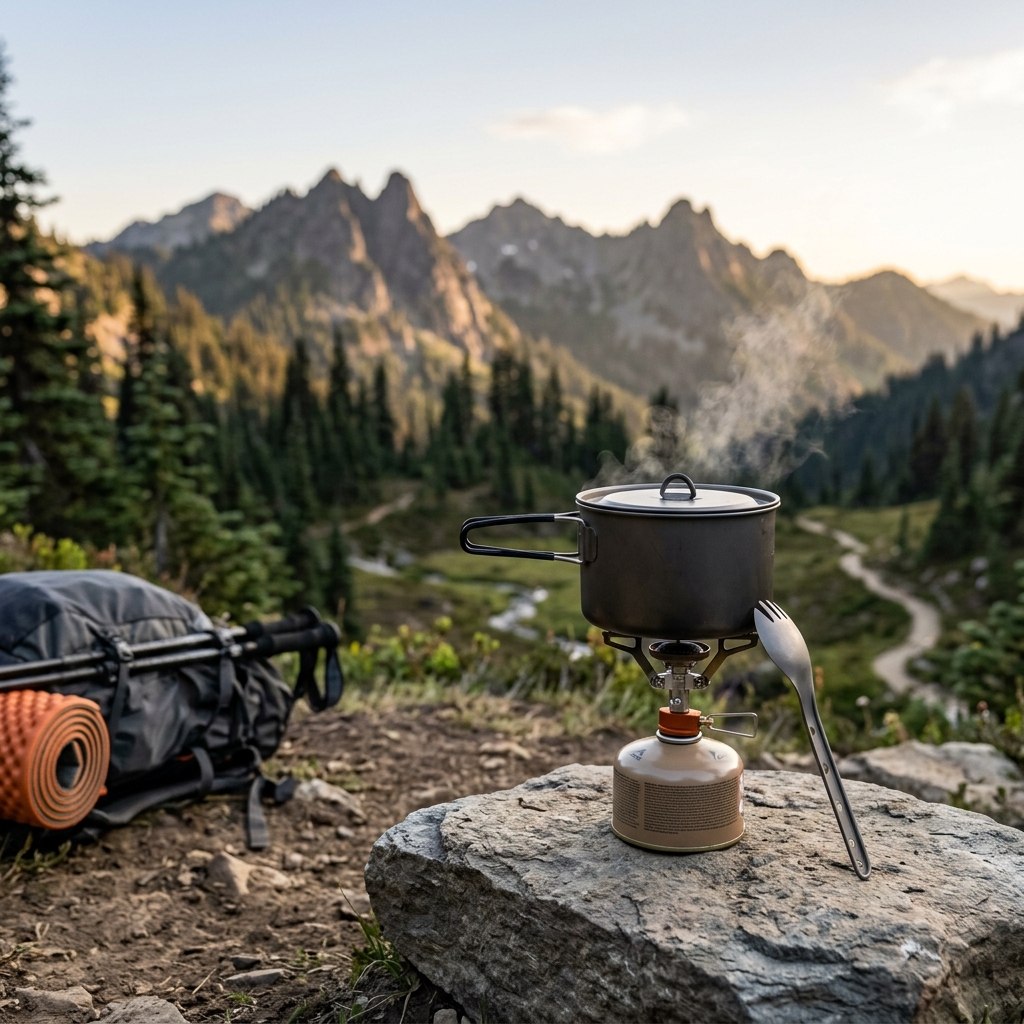
Table of Contents
What to Look for in a Backpacking Stove
Choosing the right backpacking stove depends on your priorities. Here’s a breakdown of key features:
- Weight: Critical for backpacking. Every gram counts! Look for stoves under 500g if possible.
- Fuel Type: Canister, liquid fuel, or alcohol – each has its pros and cons (detailed below).
- Boil Time: How quickly can it boil water? Faster boil times conserve fuel.
- Stability: A stable stove prevents spills, especially on uneven terrain.
- Wind Resistance: Crucial in exposed locations. Stoves with integrated wind shields or the ability to use separate shields are beneficial.
- Ease of Use: Simpler stoves are quicker to set up and operate, reducing frustration.
- Price: Backpacking stoves range from under £20 to over £200. Set a budget and stick to it.
There are trade-offs. Ultralight stoves often sacrifice stability or boil time. More powerful stoves tend to be heavier. Consider your typical trip duration, weather conditions, and cooking needs.
Fuel Types: A Detailed Comparison
The fuel type is a major decision. Here’s a comparison:
Canister Stoves (Isobutane/Propane Mix)
Pros: Lightweight, easy to use, quick to set up, clean burning, good temperature control. Readily available in most outdoor retailers across the UK.
Cons: Fuel canisters can be bulky, performance drops significantly in cold weather (especially pure isobutane), canisters are not reusable and create waste, can be more expensive per unit of energy than liquid fuel.
UK Availability: Excellent. Widely stocked by retailers like Cotswold Outdoor, Millets, and Go Outdoors.
Liquid Fuel Stoves (White Gas/Petrol)
Pros: Reliable in cold weather, fuel is widely available globally (though petrol availability in remote parts of the UK can vary), fuel bottles are reusable, generally more fuel efficient for longer trips.
Cons: Heavier and more complex than canister stoves, require priming and maintenance, can be messy, pose a potential fire hazard if not used correctly, produce soot.
UK Availability: Good, though less common than canister stoves. Available from specialist outdoor shops.
Alcohol Stoves
Pros: Ultralight, very simple, fuel (denatured alcohol) is relatively inexpensive and widely available, silent operation.
Cons: Slow boil times, low heat output, very sensitive to wind, less efficient than other fuel types, can be difficult to light in cold/windy conditions.
UK Availability: Alcohol stoves and fuel (methylated spirit) are available at hardware stores and some outdoor retailers.
Top 5 Canister Stoves for Backpacking (2026)
Canister stoves are the most popular choice for UK backpackers due to their convenience and ease of use.
| Stove Model | Weight (g) | Boil Time (1L) | Price (GBP) | Pros | Cons |
|---|---|---|---|---|---|
| MSR PocketRocket 3 | 85 | 3.5 mins | 55.00 | Compact, lightweight, reliable, good flame control. | Wind can affect performance, plastic construction. |
| Jetboil Flash 2200 | 340 | 2 mins | 150.00 | Very fast boil time, integrated wind shield, efficient. | Heavier than other canister stoves, limited cooking versatility. |
| Soto Windmaster Stove | 90 | 4 mins | 70.00 | Excellent wind resistance, stable, compact. | Canister stability can be an issue on uneven ground. |
| Primus Lite III | 68 | 3.8 mins | 65.00 | Very lightweight, compact, stable. | Plastic construction, can be susceptible to wind. |
| Brunton Vapor Stove | 73 | 3.1 mins | 50.00 | Compact, Lightweight, integrated pressure regulator. | Can be difficult to adjust flame. |
Top 3 Liquid Fuel Stoves for Backpacking (2026)
Liquid fuel stoves are ideal for cold weather and long trips.
| Stove Model | Weight (g) | Boil Time (1L) | Price (GBP) | Pros | Cons |
|---|---|---|---|---|---|
| Primus OmniFuel T | 370 | 2.5 mins | 200.00 | Multi-fuel capability, excellent in cold weather, durable. | Heavy, complex operation, requires maintenance. |
| MSR Whisperlite International | 340 | 3 mins | 160.00 | Reliable, multi-fuel, good for international travel. | Requires frequent maintenance, can be noisy. |
| Optimus Polaris | 360 | 2.8 mins | 180.00 | Compact for a liquid fuel stove, easy to service, good flame control. | Can be tricky to light in very cold conditions. |
Best Alcohol Stove Options for Ultralight Backpacking (2026)
For the gram-counting backpacker, alcohol stoves offer an incredibly lightweight solution.
| Stove Model | Weight (g) | Boil Time (1L) | Price (GBP) | Pros | Cons |
|---|---|---|---|---|---|
| Esbit Solid Fuel Stove | 80 | 5-7 mins | 20.00 | Ultralight, very affordable, simple to use. | Slow boil time, fuel can be difficult to find in some locations. |
| Trangia Spirit Burner | 60 | 6-8 mins | 25.00 | Simple, reliable, widely available. | Slow boil time, susceptible to wind. |
| DIY Soda Can Stove | 20-30 | 7-10 mins | 5 (materials) | Extremely lightweight, very cheap. | Requires DIY skills, less efficient, potential safety concerns. |
Stove Accessories: What You Need
Don’t forget these essential accessories:
- Windscreen: Crucial for improving efficiency and stability, especially with canister and alcohol stoves.
- Pot Support: Necessary for some alcohol stoves.
- Fuel Bottles: For liquid fuel stoves. Ensure they are leak-proof and clearly labelled.
- Lighter/Matches: Carry a reliable ignition source, preferably a waterproof lighter.
- Cookware: Consider a lightweight titanium or aluminium cookset. The GSI Outdoors Pinnacle Dualist II Cookset (£60.00) is a popular choice.
- Spork: A versatile utensil. The Sea to Summit Alpha Light Spork (£10.00) is a lightweight option.
Backpacking Stove Safety Guide
Safety is paramount when using a backpacking stove:
- Ventilation: Always use a stove in a well-ventilated area to avoid carbon monoxide poisoning. Never use a stove inside a tent or enclosed space.
- Fuel Handling: Store fuel away from heat sources and open flames. Always fill stoves outdoors.
- Fire Prevention: Clear a 3-metre area around the stove of flammable materials.
- Stable Surface: Ensure the stove is on a level, stable surface before lighting it.
- Cool Down: Allow the stove and fuel to cool completely before packing them away.
- UK Regulations: Be aware of any fire restrictions or regulations in the area you are camping. Check with local authorities if unsure.
Choosing the Right Stove for Your Needs
For ultralight backpacking and short trips: An alcohol stove like the Esbit Solid Fuel Stove is a good option.
For general backpacking in mild conditions: A canister stove like the MSR PocketRocket 3 provides a great balance of weight, performance, and convenience.
For cold weather and extended trips: A liquid fuel stove like the Primus OmniFuel T offers reliability and fuel efficiency.
For fast boil times and convenience: The Jetboil Flash 2200 is an excellent choice, but be prepared for the added weight.
Ultimately, the best backpacking stove is the one that best suits *your* needs and preferences. Consider your typical backpacking style, trip length, weather conditions, and budget to make the right decision.
FAQ
What’s the best fuel for cold weather backpacking?
Liquid fuel stoves are the most reliable in cold weather. Canister stoves can struggle, especially with isobutane-based fuels. Using a propane/isobutane mix can improve performance, but still isn’t as reliable as liquid fuel.
How important is a windscreen?
Very important! A windscreen can significantly improve a stove’s efficiency and boil time, especially in windy conditions. It’s essential for canister and alcohol stoves.
Can I use petrol in a canister stove?
No, absolutely not! Canister stoves are designed for isobutane/propane mix only. Using petrol in a canister stove is extremely dangerous and can cause an explosion.
How do I clean a liquid fuel stove?
Liquid fuel stoves require regular cleaning to remove soot and debris. Refer to the manufacturer’s instructions for specific cleaning procedures. Typically, this involves using a cleaning kit and a jet cleaner to clear the burner nozzles.
Where can I safely dispose of empty fuel canisters?
Empty fuel canisters should be disposed of responsibly. Do *not* puncture or incinerate them. Check with your local council or outdoor retailer for recycling options. Some retailers offer canister recycling programs.