Planning a hike in the UK? Carrying the right rucksack can make or break your experience. This guide dives into the world of lightweight hiking rucksacks, helping you find the perfect pack for your adventures in 2026. We’ll cover everything from key features to specific product reviews, ensuring you’re well-equipped for the trails.
As an Amazon Associate, we earn from qualifying purchases. This means we may receive a small commission at no extra cost to you when you buy through links on this page.
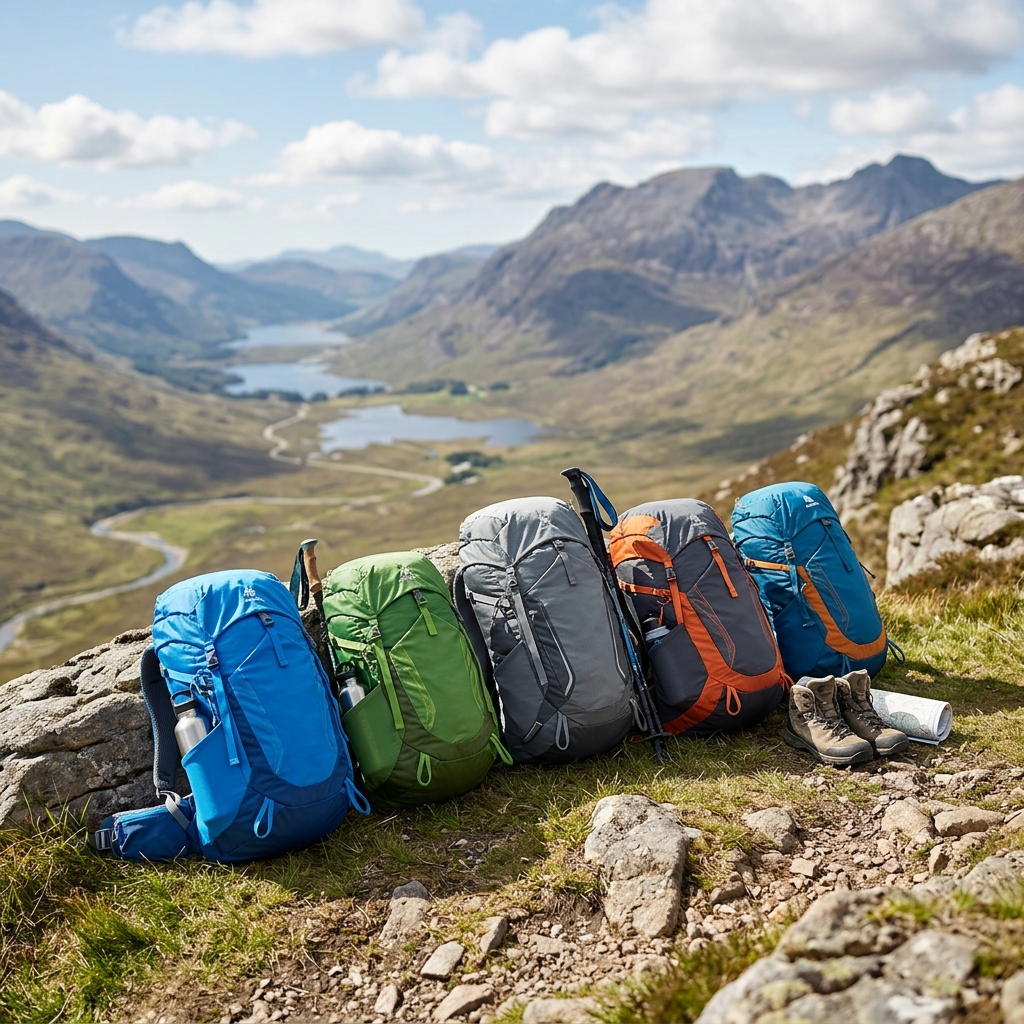
Table of Contents
What is a Lightweight Hiking Rucksack?
Defining ‘lightweight’ can vary, but generally, a lightweight hiking rucksack weighs under 1.5kg (3.3lbs) when empty. These rucksacks are designed to minimise the weight you carry, crucial for longer treks and challenging terrain. Why choose a lightweight rucksack? The benefits are numerous: reduced strain on your back and joints, increased agility on the trail, and ultimately, faster hiking speeds. A lighter pack means more energy for enjoying the scenery and less fatigue at the end of the day. They’re perfect for fastpacking, trail running, and day hikes, but can also be suitable for multi-day trips with careful packing.
Key Features to Consider in 2026
Choosing the right lightweight hiking rucksack requires considering several key features. Technology has moved on in the last few years, so here’s what to look for in 2026:
Capacity (Litres)
The size of your rucksack is paramount. Capacity is measured in litres and dictates how much gear you can carry. More on specific sizes later in our Rucksack Size Guide.
Frame Type
- Frameless: Minimalist, lightest option, best for experienced hikers carrying lighter loads.
- Internal Frame: Most common type. Offers good support and weight distribution.
- External Frame: Less common now, but excellent for very heavy loads and ventilation.
Materials
Rucksack materials significantly impact weight, durability, and weather resistance.
- Nylon Denier: Higher denier numbers indicate thicker, more durable fabric. 210D to 420D nylon is common for lightweight packs.
- Ripstop Fabrics: Woven with a reinforcing technique, making them resistant to tearing.
- Waterproof Ratings: Measured in mm (millimetres). Higher numbers indicate greater waterproofness. Look for fabrics with PU (Polyurethane) or DWR (Durable Water Repellent) coatings.
Fit
A proper fit is *essential* for comfort and preventing injury. Consider:
- Torso Length: Crucial measurement – your rucksack should match your torso length.
- Hip Belt: Transfers most of the weight to your hips. Ensure it fits snugly and comfortably.
- Adjustable Straps: Shoulder straps, sternum strap, and load lifters allow you to fine-tune the fit.
Ventilation
A well-ventilated back panel prevents excessive sweating and keeps you comfortable, especially in warmer weather. Look for mesh panels and airflow channels.
Additional Features
- Hydration Compatibility: Many rucksacks have a dedicated sleeve for a hydration reservoir.
- Rain Cover: Essential for protecting your gear in wet weather. Some rucksacks include one, others require a separate purchase.
- Attachment Points: For trekking poles, ice axes, or other gear.
Top Lightweight Hiking Rucksacks UK – Our 2026 Picks
Here’s a rundown of some of the best lightweight hiking rucksacks available in the UK in 2026:
| Rucksack | Weight (kg) | Capacity (L) | Price (£) | Pros | Cons | Ideal Use |
|---|---|---|---|---|---|---|
| Osprey Talon 22 | 0.81 | 22 | 130 | Excellent ventilation, comfortable fit, durable. | Can be pricey. | Day hikes, fastpacking, trail running. |
| Deuter Speed Lite 20 | 0.79 | 20 | 110 | Very lightweight, streamlined design, good value. | Limited features. | Day hikes, minimalist trekking. |
| Gregory Nano 20 | 0.75 | 20 | 100 | Comfortable suspension, well-ventilated, affordable. | Not the most durable option. | Day hikes, short trips. |
| Rab Ascent 28 | 0.95 | 28 | 150 | Durable, weatherproof, good capacity for overnight trips. | Slightly heavier than some others. | Overnight trips, multi-day treks with minimal gear. |
| Arc’teryx Aerios 24 | 0.92 | 24 | 220 | Premium materials, exceptional build quality, comfortable. | Very expensive. | Day hikes, alpine adventures. |
| Vaude Speed Ridge 22 | 0.85 | 22 | 120 | Sustainable materials, good ventilation, comfortable fit. | Water resistance could be better. | Day hikes, via ferrata. |
| Montane Trail 25 | 0.88 | 25 | 140 | Lightweight, durable, comfortable, good value. | Basic features. | Day hikes, overnight trips. |
Rucksack Size Guide: How to Choose the Right Capacity
Choosing the right capacity is crucial. Here’s a guide:
| Trip Length/Type | Recommended Capacity (Litres) |
|---|---|
| Day Hike (under 8 hours) | 15 – 25 |
| Overnight Trip (1 night) | 25 – 40 |
| Multi-Day Trek (2-5 nights) | 40 – 60 |
| Extended Trek (5+ nights) | 60+ |
Remember these are guidelines. Your packing style and the bulkiness of your gear will also influence your capacity needs.
Understanding Rucksack Fit: A Step-by-Step Guide
A well-fitting rucksack is essential for comfort and preventing injury.
- Measure Your Torso Length: Use a flexible measuring tape to measure from your C7 vertebra (the bony bump at the base of your neck) to the iliac crest (the top of your hip bones).
- Measure Your Hip Circumference: Measure around your hip bones.
- Choose the Correct Size: Rucksack manufacturers provide size charts based on torso length and hip circumference.
- Adjust the Straps:
- Shoulder Straps: Tighten until the rucksack sits comfortably on your shoulders.
- Sternum Strap: Adjust to prevent the shoulder straps from sliding off.
- Load Lifters: Tighten to pull the load closer to your body.
- Hip Belt: The majority of the weight should be supported by your hips.
- Try On with Weight: Always try on a rucksack with weight (around 10-15kg) to ensure a comfortable fit.
Materials & Durability: What to Look For
The materials used in a rucksack significantly impact its durability and weather resistance. Nylon remains the most popular choice, offering a good balance of weight, strength, and cost. Polyester is often used for linings. Dyneema Composite Fabric (DCF) is an ultra-lightweight, incredibly strong material – but comes with a premium price tag.
Waterproof Ratings: Look for a hydrostatic head rating. A rating of 1500mm or higher is considered waterproof. DWR coatings provide an initial layer of water repellency but will need to be reapplied periodically.
Reinforced Stitching: Check for double or triple stitching in high-stress areas. Durable zippers (YKK are a good sign) are also crucial.
Lightweight Rucksack Maintenance & Care
Prolonging the lifespan of your rucksack is easy with proper care:
- Cleaning: Hand wash with mild soap and water. Avoid harsh detergents.
- Storing: Store in a cool, dry place.
- Repairing: Address any rips or tears promptly. Repair kits are widely available.
- Waterproofing: Reapply DWR coating as needed.
Frequently Asked Questions (FAQs)
What’s the difference between a daypack and a hiking rucksack?
A daypack is generally smaller (under 25 litres) and designed for shorter trips with minimal gear. A hiking rucksack is larger, more durable, and designed to carry heavier loads for longer adventures. Hiking rucksacks usually have more features like hip belts and load lifters.
How much should a lightweight rucksack weigh?
Ideally, a lightweight hiking rucksack should weigh under 1.5kg (3.3lbs) when empty. The lighter, the better, but don’t compromise on durability or comfort.
Are expensive rucksacks always better?
Not necessarily. Price often reflects materials, features, and brand reputation. However, a more expensive rucksack isn’t automatically the best choice for *you*. Focus on finding a rucksack that fits well, meets your needs, and falls within your budget.
What is a hydration bladder compatible rucksack?
These rucksacks have a dedicated internal sleeve and port for routing the drinking tube of a hydration bladder, allowing you to drink conveniently on the move without stopping to reach for a water bottle.
How important is the rain cover?
Very important! Even if the rucksack fabric is water resistant, a rain cover provides an extra layer of protection in heavy downpours, keeping your gear dry. Many rucksacks don’t include one, so you may need to purchase it separately.