Table of Contents
As an Amazon Associate, we earn from qualifying purchases. This means we may receive a small commission at no extra cost to you when you buy through links on this page.
Introduction: Winter Camping in the UK – Is It Worth It?
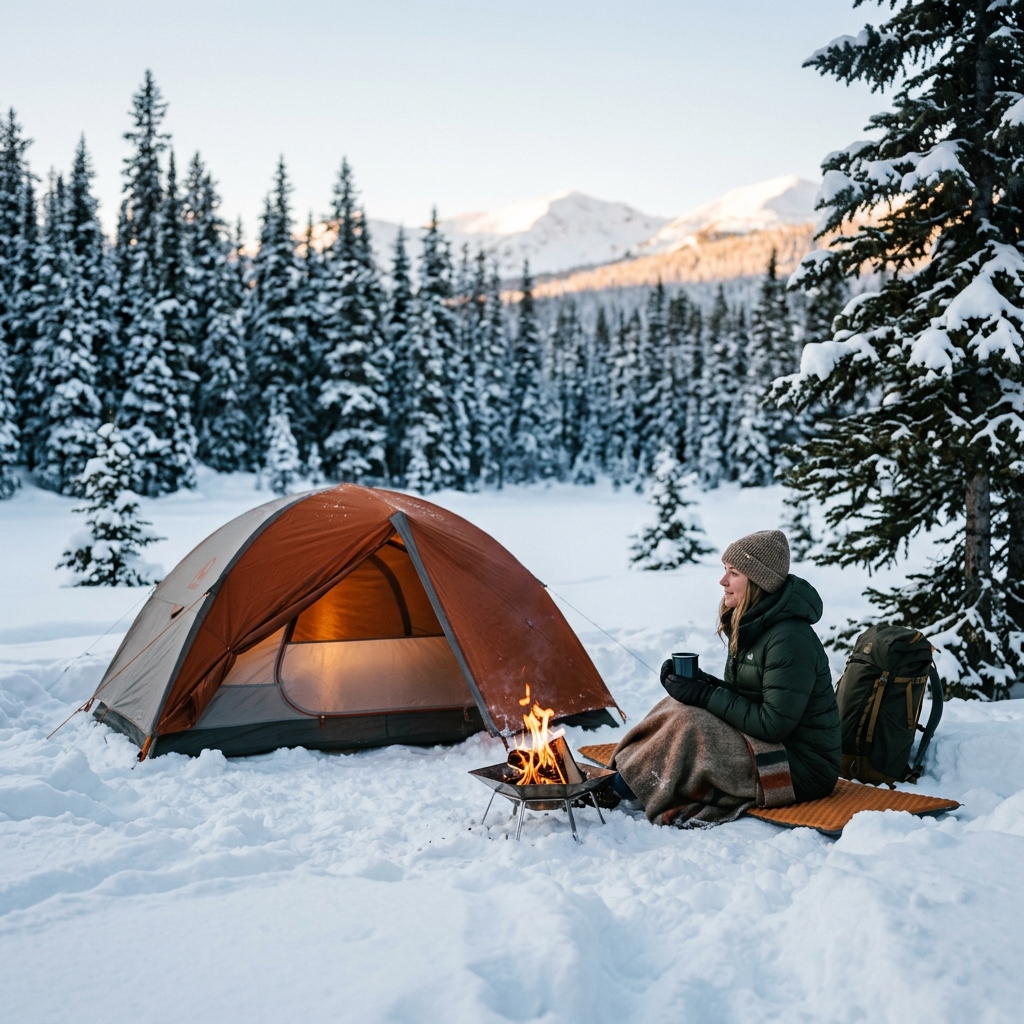
The UK countryside transforms into a stunning, serene landscape during the winter months. While summer camping is popular, winter camping offers a unique experience – peace, quiet, fewer crowds, and the breathtaking beauty of a snow-covered wilderness. However, it also presents challenges, primarily staying warm. Many people are understandably concerned about the cold, but with the right preparation and gear, winter camping can be incredibly rewarding. This guide will equip you with the knowledge and advice you need to enjoy a safe and comfortable winter camping trip in the UK. We’ll cover everything from understanding how your body loses heat to choosing the right equipment and employing expert warming techniques.
Understanding the Cold: How Your Body Loses Heat
Knowing how your body loses heat is the first step to preventing it. There are four primary mechanisms:
- Conduction: Heat transfer through direct contact. Think sitting on a cold, damp rock.
- Convection: Heat loss to moving air. A chilly wind strips away your body heat.
- Radiation: Heat loss to surrounding objects, even without direct contact. On a clear night, you radiate heat into the cold sky.
- Evaporation: Heat loss as perspiration evaporates. Even in cold weather, you can sweat, especially during exertion.
In a camping environment, all these mechanisms are at play. Cold ground conducts heat away from your body, wind causes convection, the cold air radiates heat, and even breathing can contribute to evaporation. Understanding these processes allows you to choose gear and adopt behaviours to minimise heat loss.
Essential Gear for Winter Warmth: A Checklist
Here’s a breakdown of essential gear for winter camping. Prices are approximate as of late 2026:
- Tent: A 4-season tent is crucial (see section below). £299.99+ (Vango Aurora 400 4 Season Tent)
- Sleeping Bag: Rated for temperatures lower than you expect. £189.99+ (Snugpak Softie Expansion 3 Sleeping Bag)
- Sleeping Mat: High R-value for insulation. £249.99+ (Therm-a-Rest NeoAir XTherm Sleeping Mat)
- Base Layers: Merino wool or synthetic. £110.00+ (Smartwool Merino 250 Base Layer Top)
- Mid Layers: Fleece or down jacket.
- Outer Layer: Waterproof and windproof jacket and trousers. £220.00+ (Rab Microlight Alpine Jacket)
- Hat, Gloves & Socks: Multiple pairs, wool or synthetic.
- Waterproof Boots: Insulated and with good grip.
- Headlamp: Essential for navigating in the dark. £75.00+ (Petzl Actik Core Headlamp)
- Cooking Equipment: Stove, fuel, pot, utensils.
- Insulated Water Bottle/Flask: To prevent freezing. £45.00+ (Stanley Adventure Vacuum Mug (1L))
- First Aid Kit: Including treatment for hypothermia and frostbite.
Choosing the Right Tent for Winter Camping
A 4-season tent is a must. These tents are designed to withstand strong winds and heavy snow loads. Key features to look for:
- Wind Resistance: Geodesic designs are excellent at handling strong winds.
- Snow Shedding: Steep sides help snow slide off, preventing collapse.
- Vestibules: Provide sheltered storage space for boots and gear.
- Groundsheet: A robust groundsheet protects the tent floor from damage and moisture.
Dome tents are generally more stable in high winds than tunnel tents. Consider a tent with a full inner tent for added warmth and condensation control.
Sleeping Bag Selection: Temperature Ratings and Fill Types
Temperature ratings are a guide, not a guarantee. Choose a bag rated at least 10-15°C lower than the expected minimum temperature. Consider your personal cold tolerance too. Two main fill types exist:
| Feature | Down | Synthetic |
|---|---|---|
| Warmth-to-Weight Ratio | Excellent | Good |
| Compressibility | Highly Compressible | Less Compressible |
| Performance When Wet | Loses insulation when wet | Retains some insulation when wet |
| Cost | Generally more expensive | Generally less expensive |
| Care | Requires careful cleaning and maintenance | Easier to clean and maintain |
Down is warmer for its weight but loses its insulating properties when wet. Synthetic fills are more affordable and perform better in damp conditions. Hydrophobic down treatments are available, offering some water resistance to down bags.
The Importance of a Good Sleeping Mat
A sleeping mat provides crucial insulation from the cold ground. The R-value measures a mat’s resistance to heat flow – higher R-value means better insulation. For winter camping, aim for an R-value of 4 or higher.
| Type | R-Value (approx.) | Pros | Cons |
|---|---|---|---|
| Closed-Cell Foam | 3-5 | Durable, affordable, reliable | Bulky, less comfortable |
| Self-Inflating | 3.5-5.5 | Comfortable, good insulation | Heavier, can puncture |
| Inflatable | 4-6+ | Lightweight, very comfortable | Can puncture, requires inflation |
Layering for Success: Clothing Systems for Cold Weather
The three-layer system is key to staying warm and dry:
- Base Layer: Wicks moisture away from your skin. Merino wool is excellent, as it stays warm even when wet. Avoid cotton.
- Mid Layer: Provides insulation. Fleece or down are good choices. Multiple thinner layers are more versatile than one bulky layer.
- Outer Layer: Protects from wind and rain. Waterproof and breathable fabrics are essential.
Don’t forget a warm hat, waterproof gloves, and multiple pairs of thick, wool or synthetic socks. Keeping your extremities warm is vital.
Staying Warm While Cooking and Relaxing
Camp chores can quickly lead to heat loss. Wear plenty of layers while cooking. A warm drink (tea, coffee, hot chocolate) and a hot meal can significantly boost your body temperature. Be cautious when using stoves and lanterns inside a tent – ensure adequate ventilation to prevent carbon monoxide poisoning.
Expert Tips for Maintaining Warmth Throughout the Night
- Pre-warm your sleeping bag: Fill a hot water bottle (well sealed!) and place it in your bag before getting in.
- Breathe through your nose: This warms the air before it reaches your lungs.
- Keep clothes dry: Damp clothing dramatically reduces warmth.
- Ventilate your tent: Condensation can build up, making you cold and damp.
- Avoid alcohol before bed: It may make you feel warm initially, but it dilates blood vessels, accelerating heat loss.
Safety Considerations for Winter Camping
Hypothermia and frostbite are serious risks. Learn to recognise the symptoms and know how to treat them. Carry a comprehensive first aid kit, including hand warmers. A communication device (satellite phone or personal locator beacon) is advisable. Always check the weather forecast before you go and be prepared for changing conditions. Tell someone your plans and expected return time.
Conclusion: Enjoying the Winter Wilderness
Winter camping in the UK offers a unique and rewarding experience. While it requires more preparation and attention to detail than summer camping, the peace, beauty, and solitude are well worth the effort. By understanding how your body loses heat, choosing the right gear, and employing the techniques outlined in this guide, you can stay warm, safe, and enjoy the magic of the winter wilderness.
FAQ
Q: What temperature sleeping bag should I get for winter camping in the UK?
A: A sleeping bag rated to at least -5°C to -10°C is generally recommended for most UK winter conditions. However, consider your personal cold tolerance and the specific location. The Scottish Highlands will be colder than southern England.
Q: Is it safe to use a gas stove inside a tent in winter?
A: No, it is extremely dangerous. Gas stoves produce carbon monoxide, a deadly, odourless gas. Always use a stove outdoors or in a well-ventilated porch area.
Q: How important is a good groundsheet?
A: Very important! A groundsheet protects the floor of your tent from abrasion and moisture, extending its lifespan and keeping you drier and warmer.
Q: What should I do if I suspect someone is developing hypothermia?
A: Get them into a warm, dry place, remove any wet clothing, and wrap them in warm blankets. Give them a warm, sugary drink (if they are conscious). Seek medical attention immediately.
Q: Are winter camping trips more expensive than summer trips?
A: Generally, yes. The specialist gear required for winter camping (4-season tents, insulated sleeping bags, etc.) is typically more expensive than summer camping equipment. However, you can spread the cost by investing in quality items that will last for many years.